MP Mohamed Abou El-Enein at the Law and Energy Conference:
- International arbitration is the natural judiciary for investment and energy disputes.
- Investor confidence begins with fair laws and effective arbitration.
- Egypt seeks to become a regional hub for arbitration and dispute resolution.
- Complex energy contracts require flexible and efficient arbitration mechanisms.
- Losses in some arbitration cases resulted from weak contracting practices rather than weak legal positions.
- Arbitration sometimes becomes a tool of pressure and requires international reform.
- More than 150 countries are reviewing investment agreements to regulate international arbitration.
- Contract quality and proactive risk assessment are key to avoiding disputes.
- Building specialized legal expertise is essential for managing arbitration efficiently.
- The future of energy depends on trust, and trust is built through the rule of law.
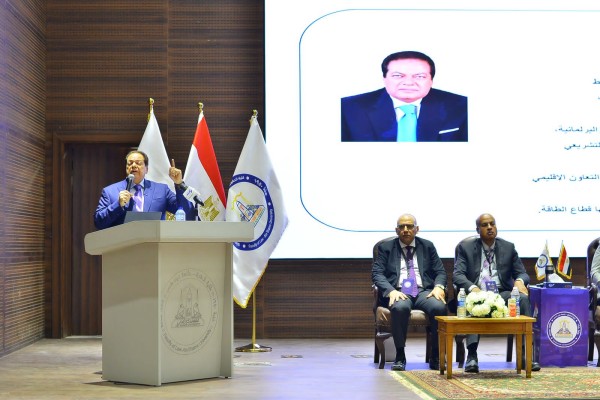
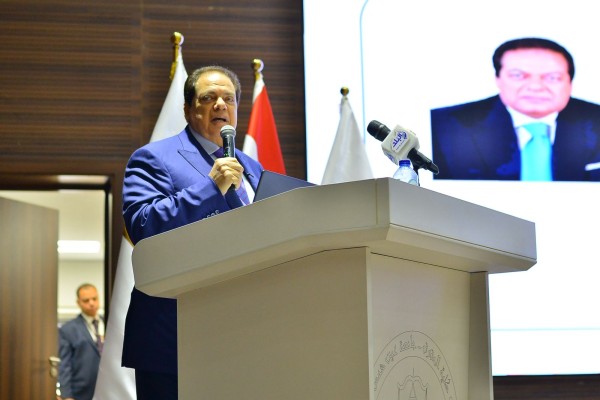
MP Mohamed Abou El-Enein, President of the Parliamentary Assembly of the Union for the Mediterranean and Vice President of Kemet International Arbitration Center, affirmed that international arbitration has become a fundamental instrument for strengthening confidence in the energy sector and attracting investment amid the accelerating global transition toward clean and renewable energy. He stressed the importance of developing legal frameworks that balance the rights of states with the interests of investors.
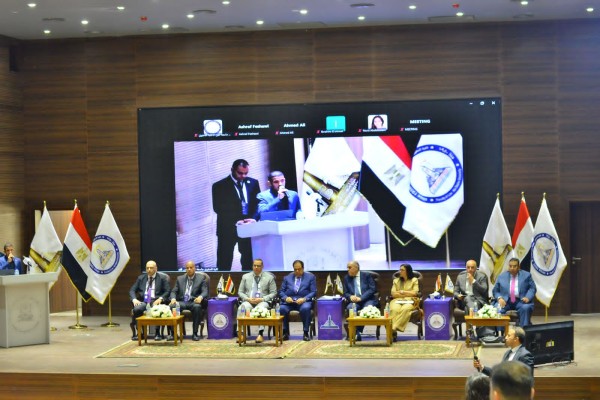
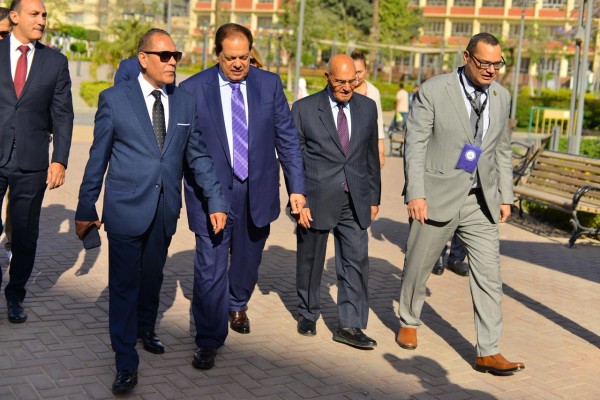
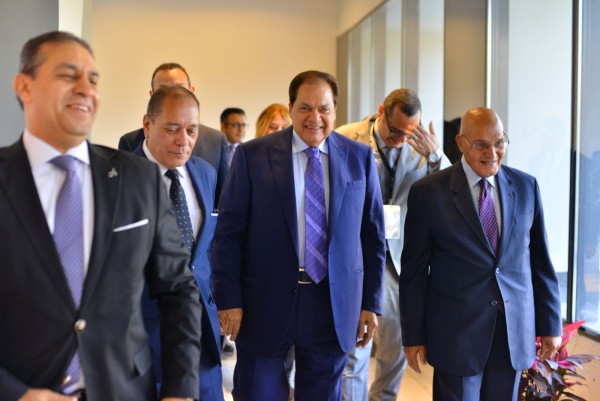
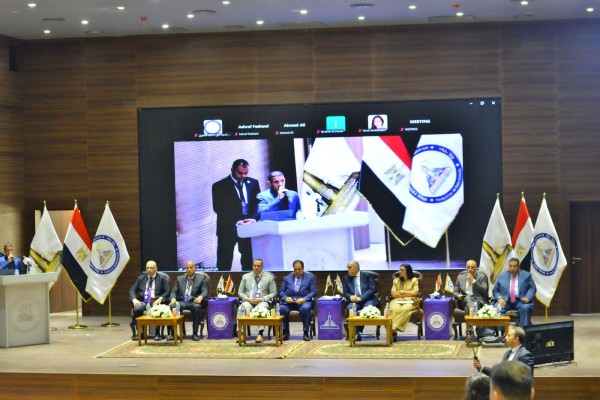
His remarks came on the sidelines of a ceremony honoring him at Ain Shams University during the activities of the Law and Energy Conference, organized by the Faculty of Law in cooperation with the Kemet International Arbitration Center, and attended by a distinguished group of judges, legal experts, and international specialists.
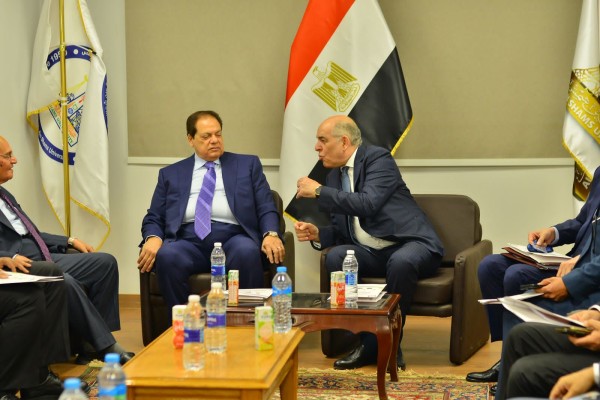
The recognition ceremony was attended by Professor Yassin El-Shazly, Dean of the Faculty of Law, who presented the University’s Shield to MP Abou El-Enein in appreciation of his international contributions in the political and economic spheres and his role in strengthening Egypt’s presence in regional and international forums.
Abou El-Enein emphasized that energy is no longer merely an economic resource; it has become a central component of national security, regional stability, and sustainable development. This reality, he noted, requires a flexible and equitable legal framework capable of keeping pace with rapid global transformations.
He explained that international arbitration represents the “natural judiciary” for economic and investment disputes due to its speed, flexibility, specialization, and ability to address the complex nature of energy contracts, which are often long-term, multi-party agreements extending across borders.
He added that an effective arbitration system contributes to reducing risks, enhancing transparency, and increasing investor confidence, thereby encouraging greater capital flows, particularly into large-scale energy projects.
At the same time, Abou El-Enein noted that international arbitration faces several challenges, including its transformation in some instances into a pressure tool and the dominance of a limited number of law firms and advisory institutions over the field. These developments have prompted many countries since 2017 to review investment agreements, tighten arbitration provisions, strengthen transparency requirements, and explore the establishment of specialized economic courts.
He stressed that Egypt’s experience has demonstrated that losses in certain arbitration cases were not due to weak legal positions but rather to poorly drafted contracts, a shortage of specialized expertise, inadequate risk assessment, and policy fluctuations during previous periods.
Abou El-Enein called for drawing lessons from these experiences by improving contract quality, adopting proactive risk assessment mechanisms, carefully selecting arbitration procedures, and building highly qualified national cadres capable of managing arbitration files efficiently and professionally.
He pointed out that the Egyptian state has taken significant steps in recent years to improve the management of contracts and arbitration proceedings, contributing to a reduction in the number of disputes and improving their overall handling.
He further highlighted Egypt’s success in establishing itself as a regional energy hub and stated that the country is simultaneously working to become a regional center for arbitration and dispute resolution, leveraging its strategic geographic location and its well-established judicial and academic institutions.
Concluding his remarks, Abou El-Enein presented a number of recommendations, including the modernization of national legislation in line with international standards, investment in legal capacity-building, support for the establishment of specialized arbitration centers for energy disputes, promotion of awareness regarding the importance of arbitration, and the achievement of a balanced framework that protects investments while safeguarding national sovereignty.