Abou El-Enein from Marrakesh:
- The ceasefire agreement between Washington and Tehran is a positive step toward peace, security, and stability in the region.
- The Gulf states set a responsible example in dealing with the conflict between Washington and Tehran.
- Security and peace are the keys to development and the desired economic integration.
- The Palestinian issue must be resolved at its roots through the two-state solution.
- Throughout history, Egyptians lived on only 6% of the country’s land area, while the expansion of infrastructure has been unprecedented.
- Egypt has enacted numerous investment-friendly legislative reforms.
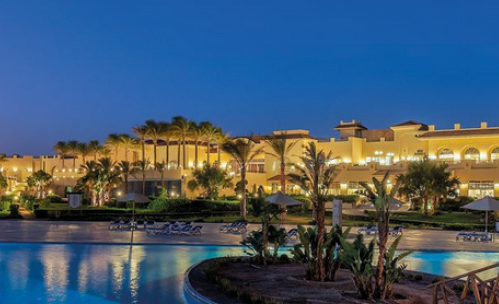
- Egypt’s tourism sector is among the world’s leading destinations, and the goal of attracting more than 30 million tourists is close to being achieved.
- Egypt’s port infrastructure capacity has increased more than fivefold.
- More than 50 new industrial cities have been established over the past ten years.
- Egypt can serve as a bridge between the countries of the Global North and the Global South.
- Access to financing remains one of the most significant challenges that requires innovative solutions.
- Artificial intelligence requires an appropriate ecosystem and a new governance framework to maximize its potential.
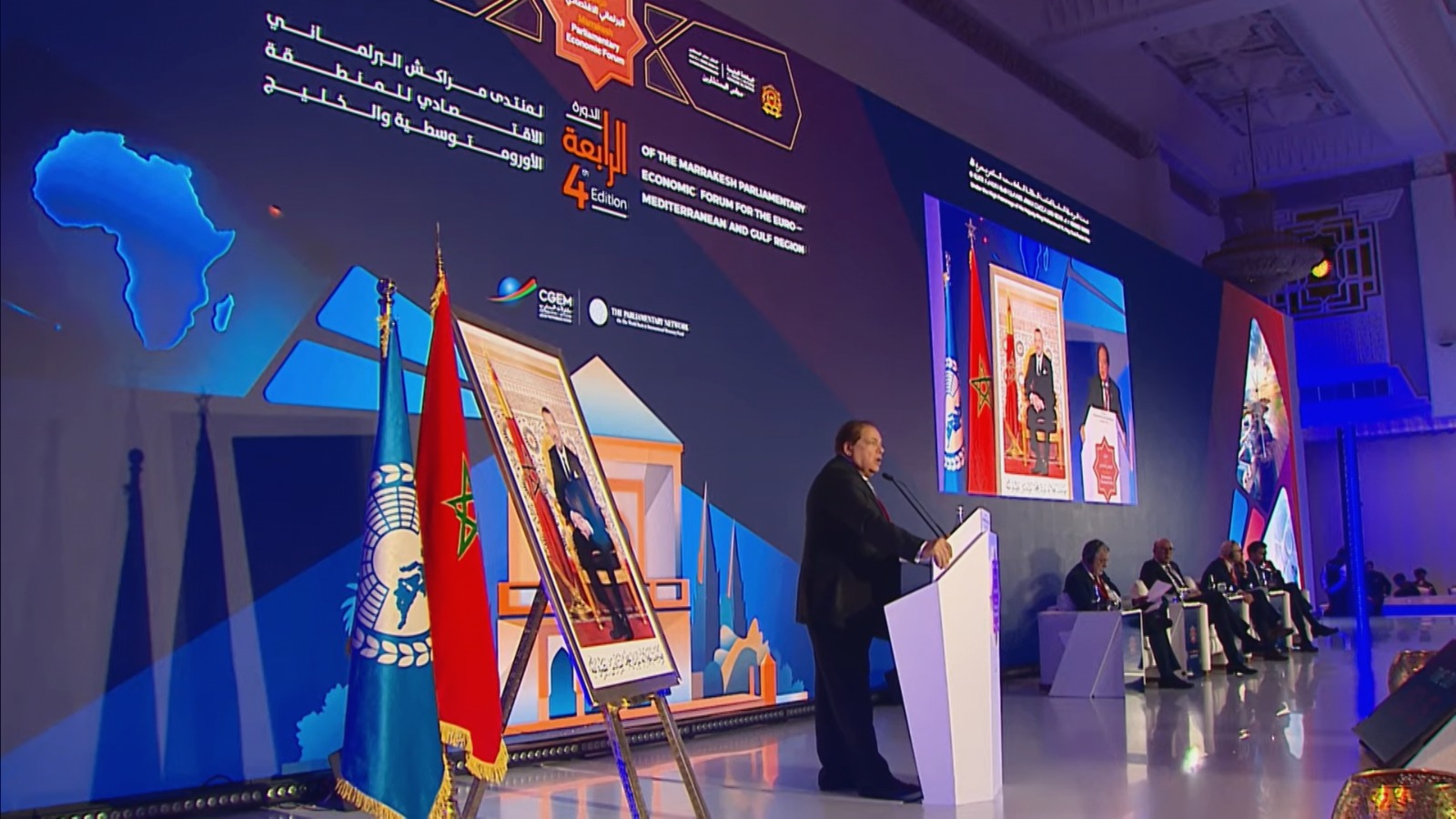
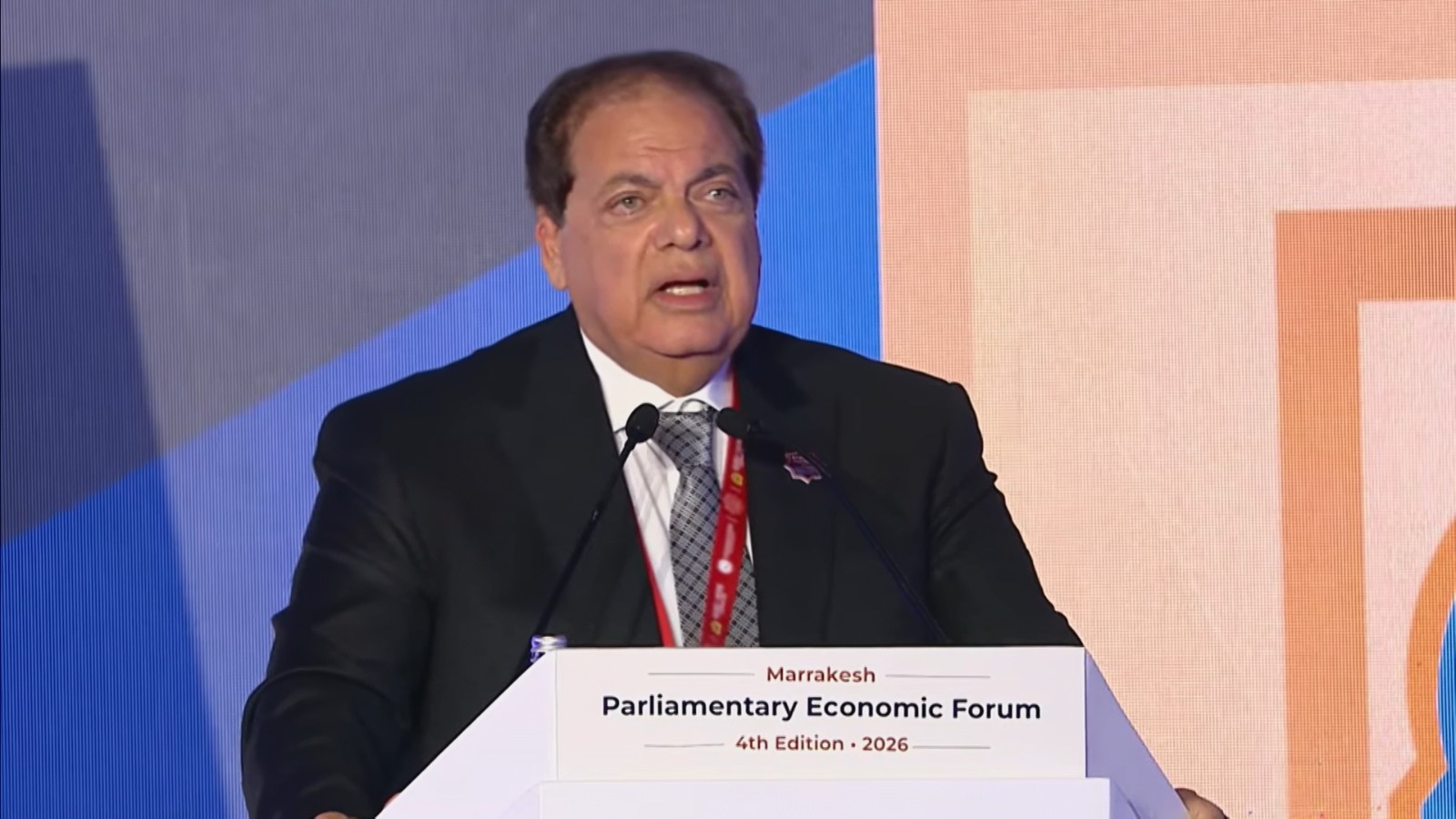
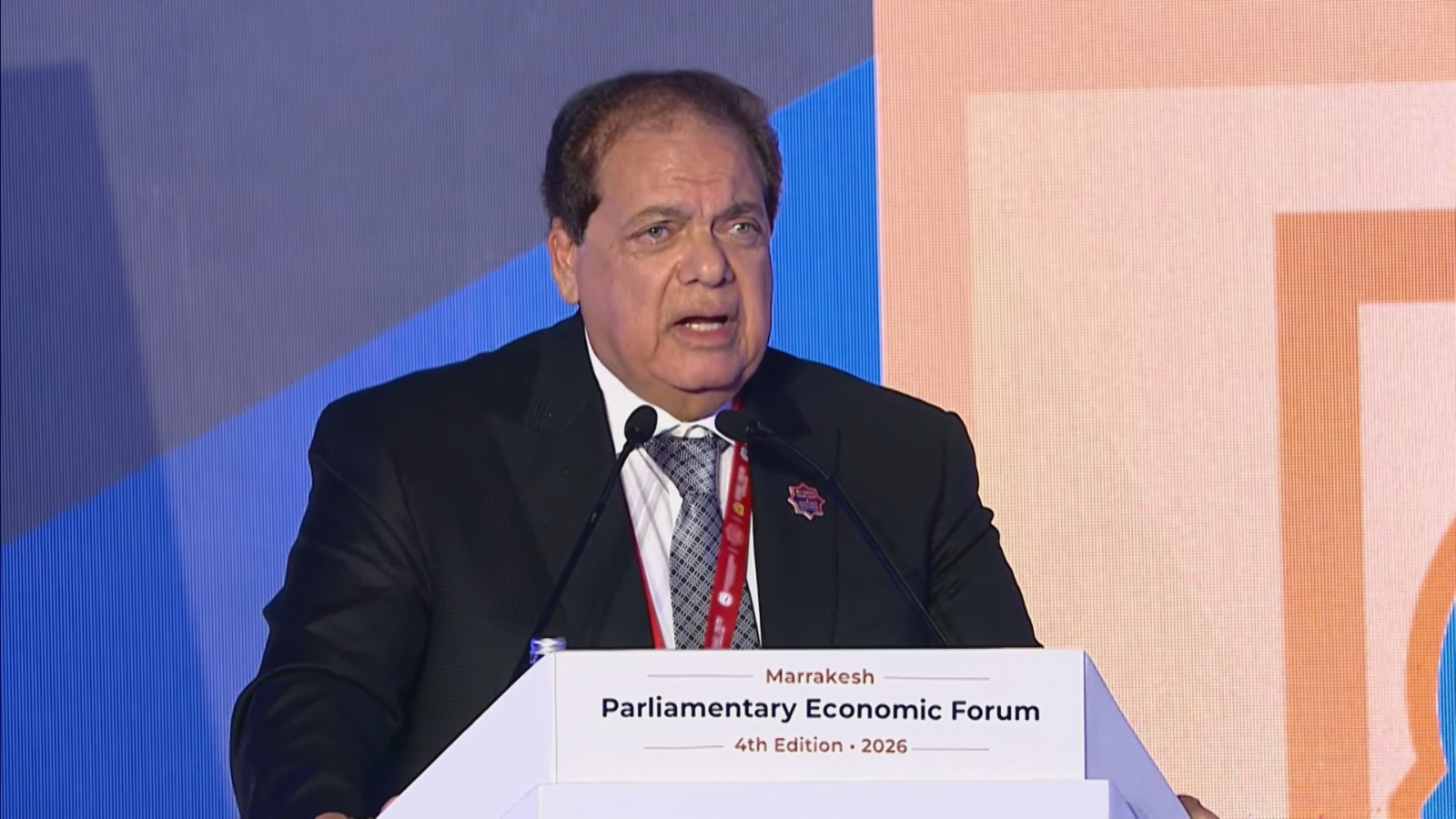
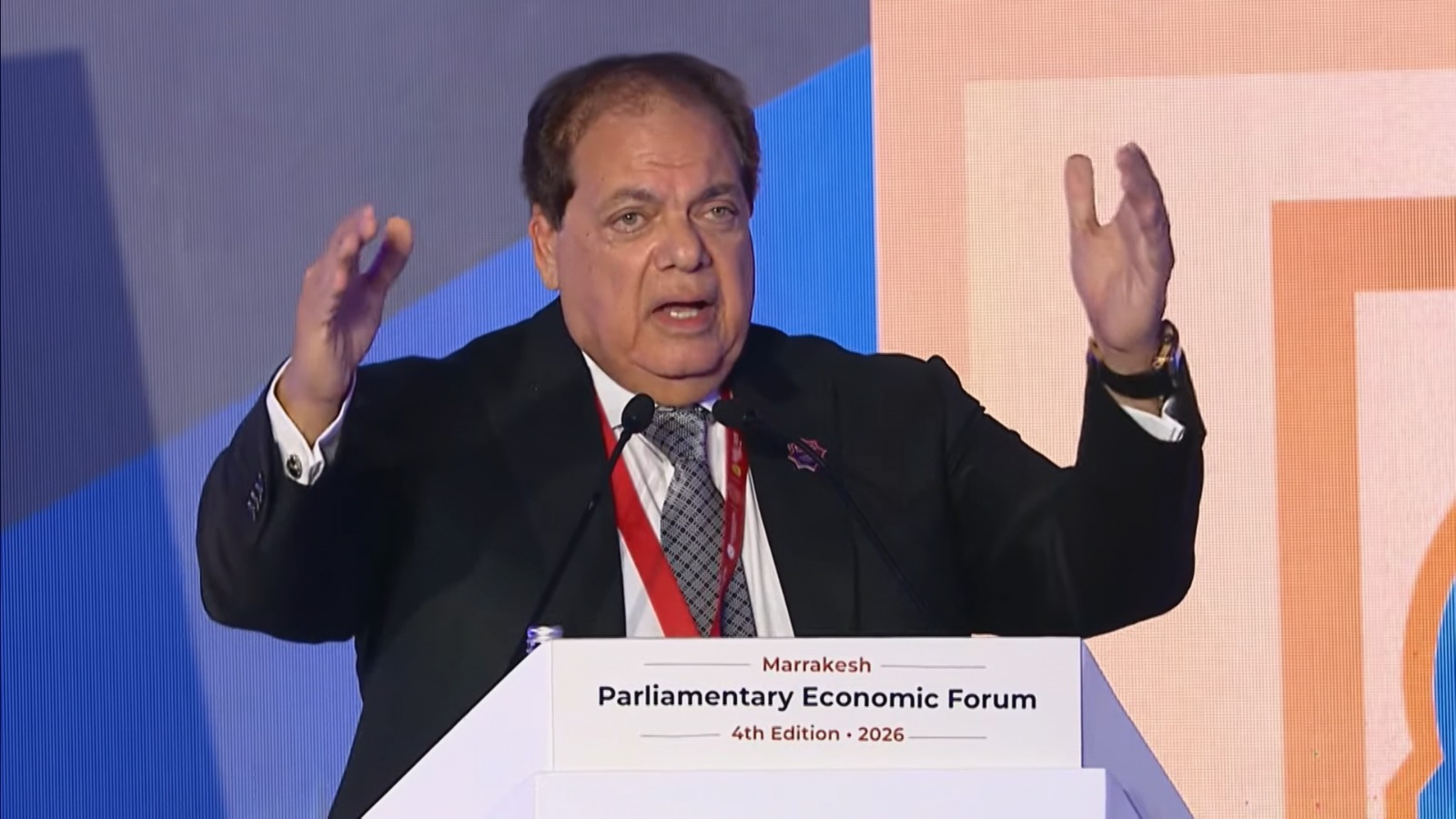
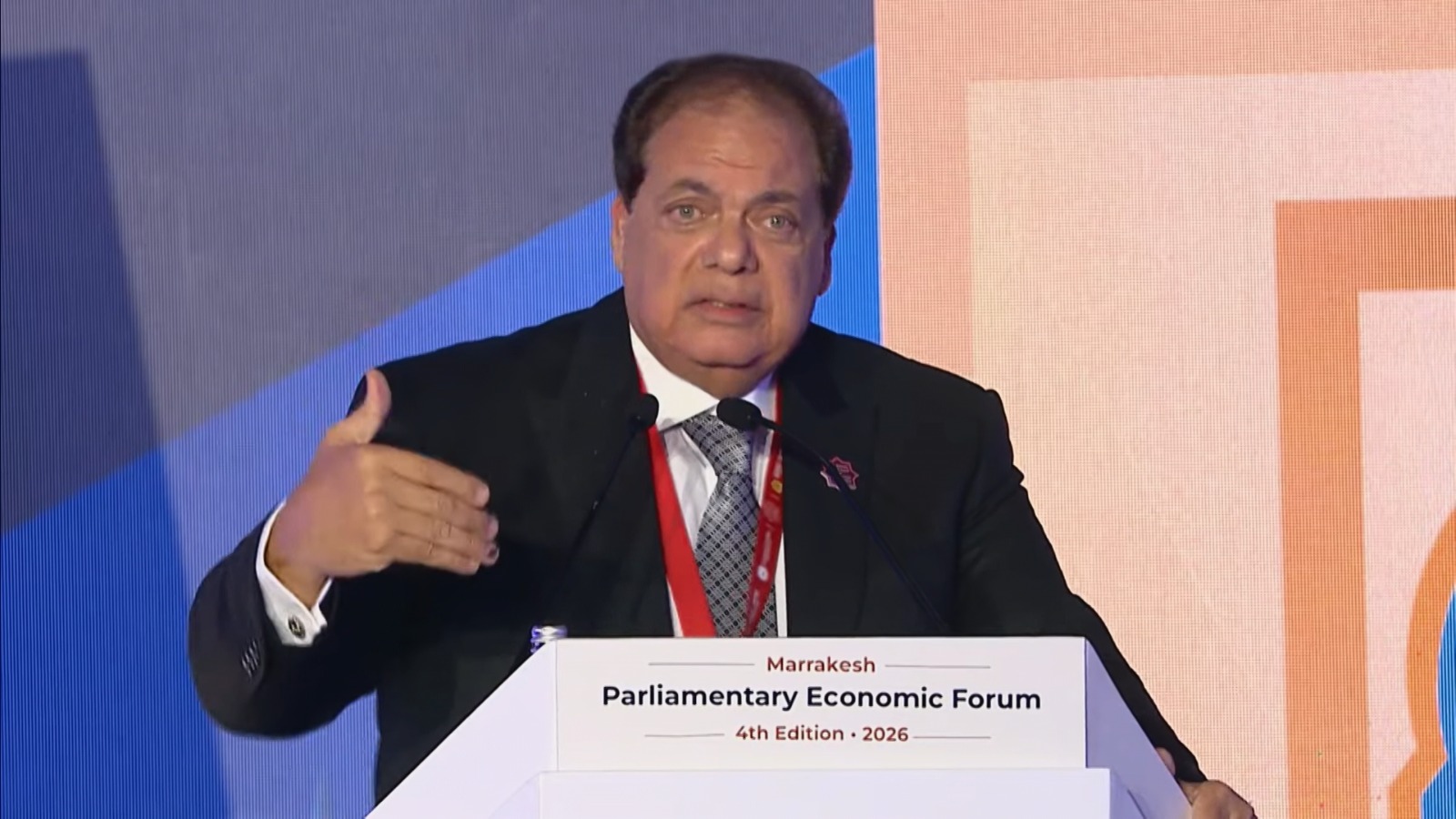
MP Mohamed Abou El-Enein, President of the Parliamentary Assembly of the Mediterranean (PAM), affirmed that the world is currently being economically reshaped amid intertwined geopolitical, economic, and technological challenges, in addition to global challenges concentrated within the strategically vital Middle East region.
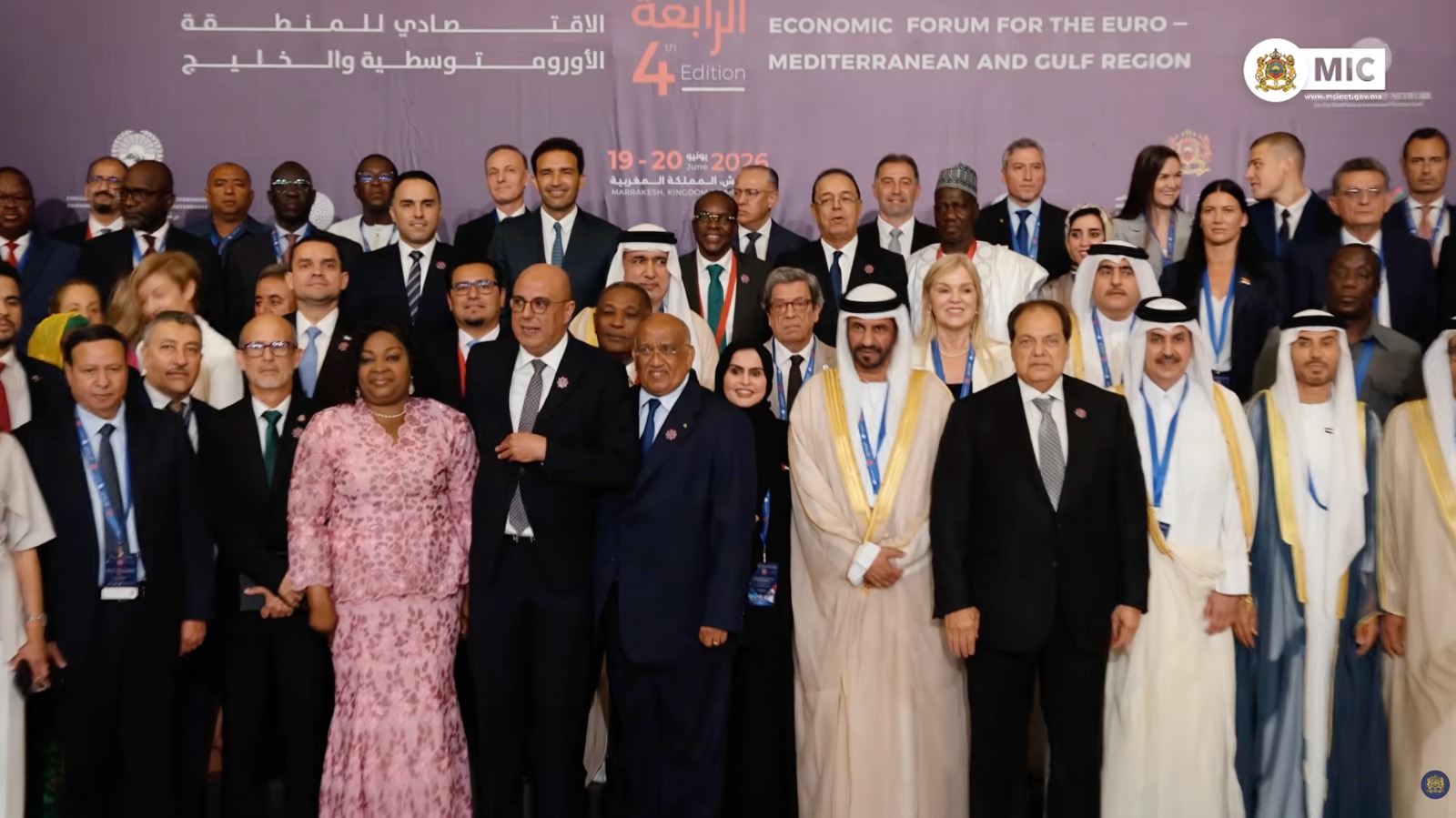
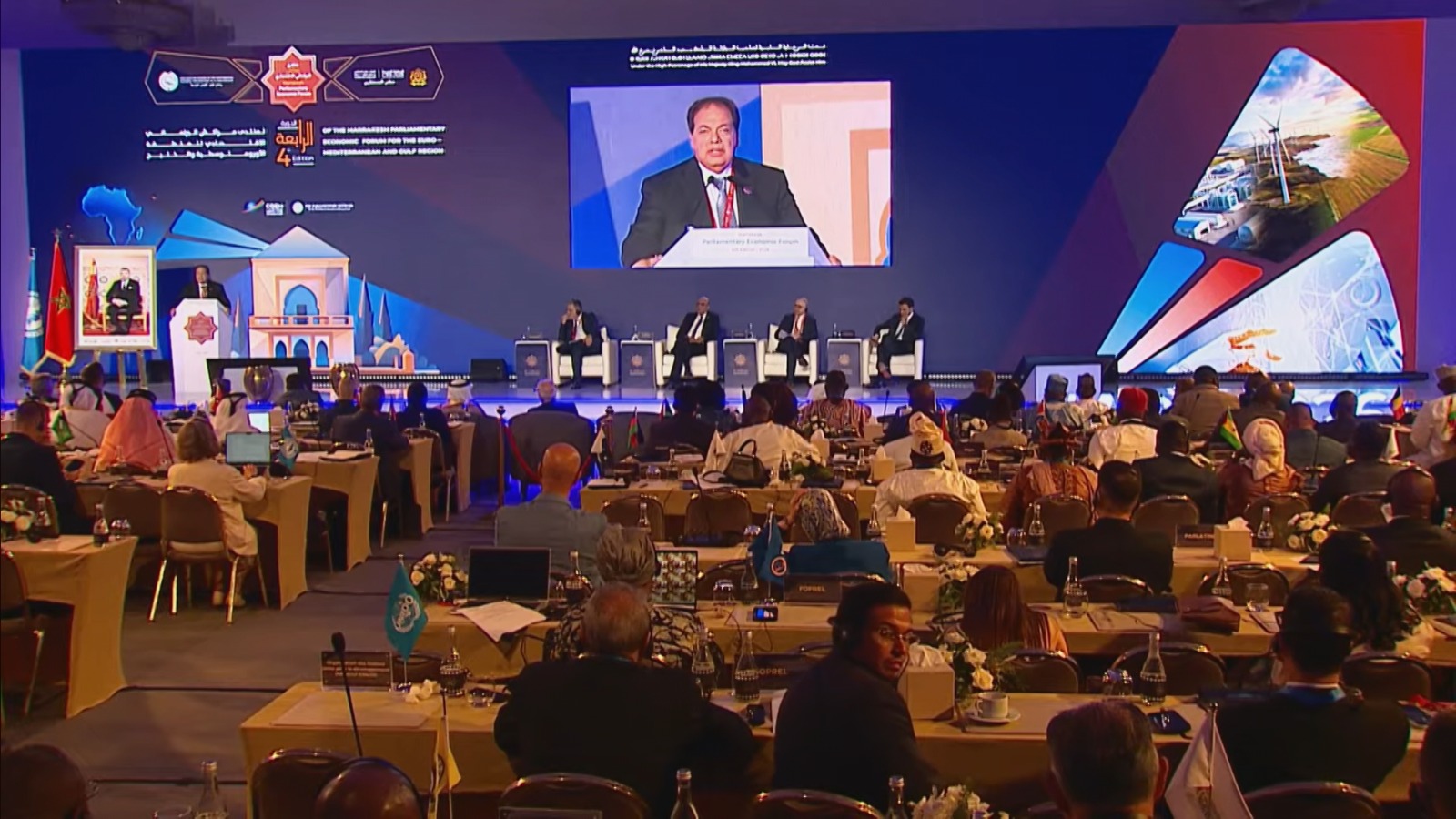
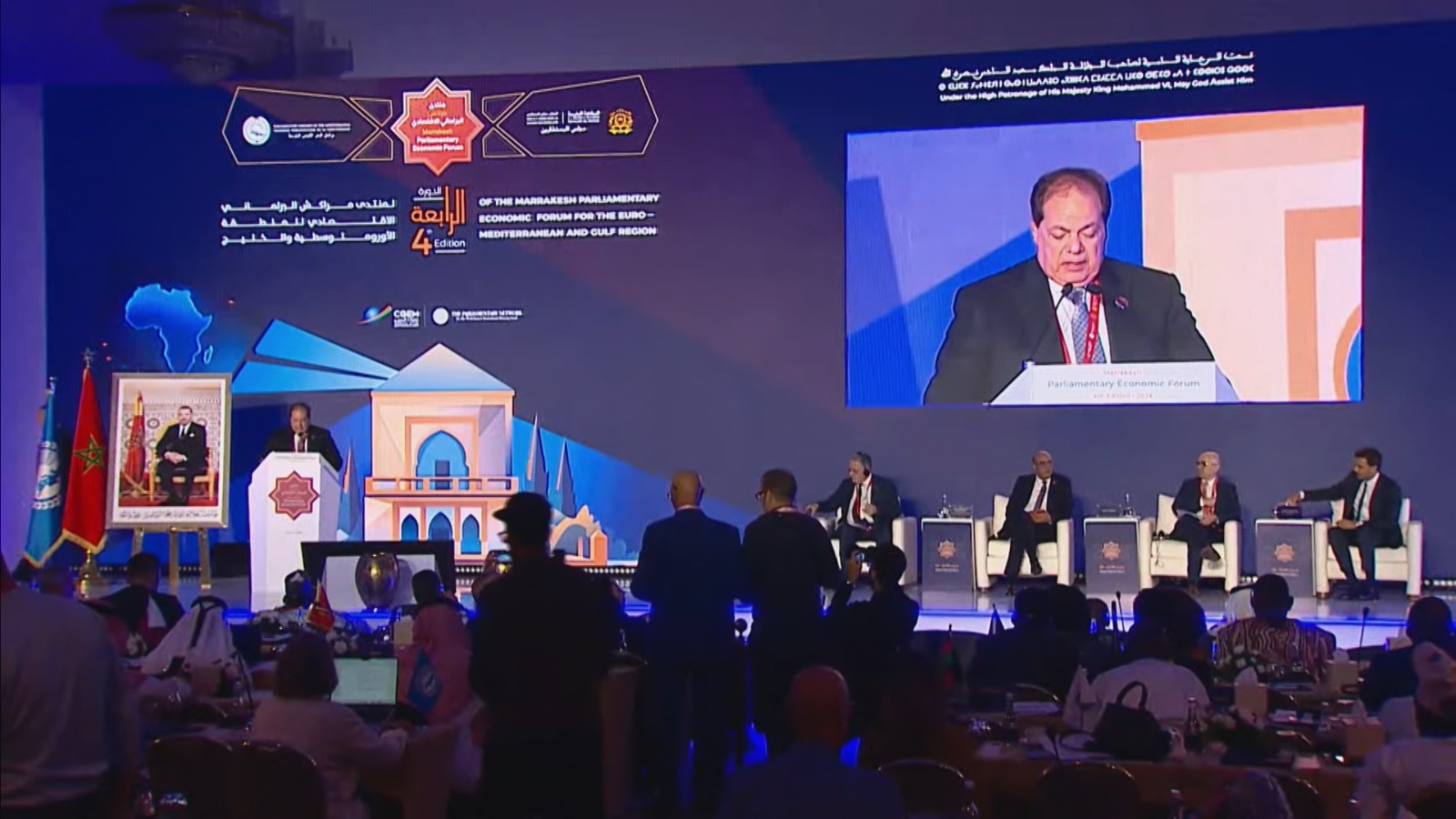
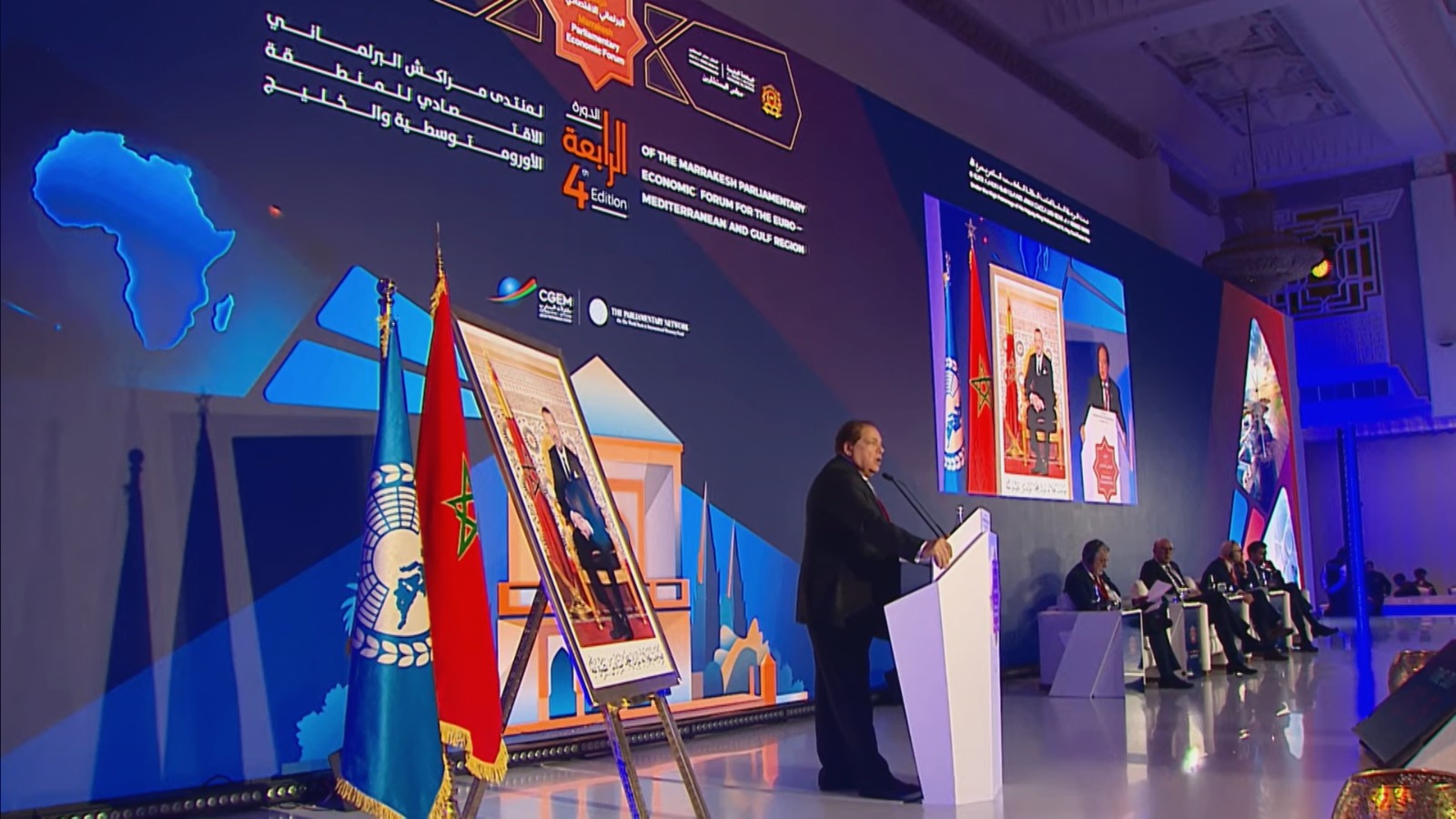
He made these remarks during his address at the Fourth Marrakesh Economic Parliamentary Forum for the Euro-Mediterranean and Gulf Regions, held over two days in Marrakesh under the High Patronage of His Majesty King Mohammed VI of the Kingdom of Morocco. The Forum is organized by the House of Councillors of Morocco and the Parliamentary Assembly of the Mediterranean, in cooperation with the General Confederation of Moroccan Enterprises (CGEM) and the Parliamentary Network of the World Bank Group and the International Monetary Fund.
In his speech, Abou El-Enein welcomed the agreement reached between Washington and Tehran to end the war in the region, describing it as a positive step toward peace, security, and stability across the Middle East. He praised the regional and international mediation efforts led by several countries, including Egypt, Pakistan, Saudi Arabia, and Qatar.
He also paid tribute to the Gulf Arab states that had been subjected to systematic attacks on their civilian facilities, stressing that despite these attacks, they exercised wisdom and restraint and set a responsible example in managing the crisis.
The Palestinian Cause
Abou El-Enein stressed that the region’s anticipated economic integration cannot be separated from the regional conflict and the legitimate rights of the Palestinian people, whose cause remains at the heart of the Arab-Israeli conflict. He reaffirmed the need to resolve the Palestinian issue at its roots through the implementation of the two-state solution, establishing an independent Palestinian state along the 4 June 1967 borders, while rejecting any displacement of the Palestinian people from their land.
He also referred to the efforts undertaken by Cairo and Washington to secure a ceasefire in Gaza during the Sharm El-Sheikh Conference, when President Donald Trump visited Cairo, met with President Abdel Fattah El-Sisi, and signed an agreement. He explained that ending the war and destruction had once seemed like a distant dream, but through determination and genuine political will, a ceasefire was achieved and a roadmap for the future was established, emphasizing that security and peace are the foundations of development and the desired economic integration.
The New European Pact
Speaking about the new European Pact, Abou El-Enein said:
“We all know what is happening in the world and in our region, and we all realize that much is expected of us. Fortunately, last October the European Union introduced a new Pact that sets out a roadmap for many years ahead, following a slowdown in cooperation between the North and the South and after the objectives envisioned since the Barcelona Process had remained unfulfilled over the past thirty years.”
He explained that the world is now facing a new framework that establishes the foundations for future cooperation while identifying the major challenges that require solutions, particularly those related to youth, technological advancement, women’s empowerment, and harnessing the full potential of the Global South, including the Arab Mediterranean countries and Africa. He noted that the scope of this Pact now extends as far as South Africa.
Abou El-Enein continued:
“Today we stand before this challenge, yet I have not heard anyone discussing this Pact. Therefore, I wanted to share some of its key features with you. This new Pact provides a genuine opportunity for real integration, presenting more than one hundred practical initiatives that can be embraced and developed across all economic sectors.”
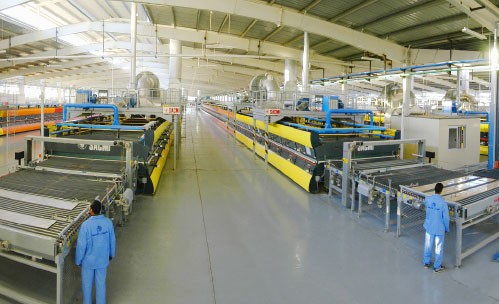
He expressed his pride in Egypt’s remarkable infrastructure development, noting that Egypt has prepared itself not only to capitalize on its unique strategic location at the crossroads of the world but also to strengthen its role in international trade and attract global investment. He pointed out that Egypt has enacted numerous investment-friendly legislative reforms while expanding the country’s port infrastructure by more than five times and establishing more than 50 new industrial cities over the past decade.
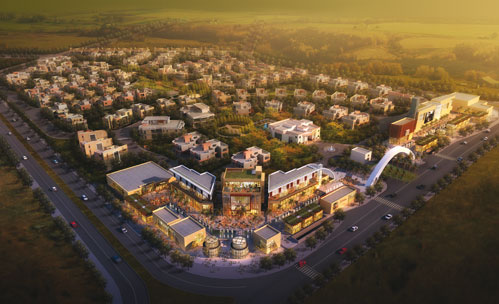
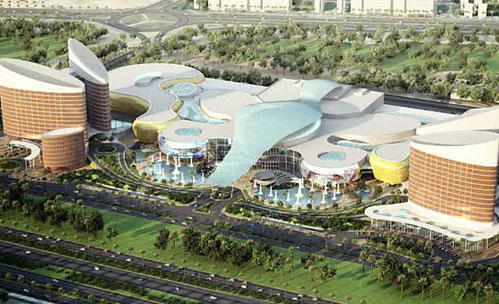
He emphasized that Egypt’s urban expansion during the past ten years has been unprecedented, explaining that Egyptians had historically lived on only 6% of the country’s land area, whereas today the inhabited area has doubled to exceed 12%, thanks to projects such as the New Administrative Capital and numerous new cities.
Abou El-Enein also highlighted Egypt’s efforts to develop higher education and invest in human capital alongside infrastructure development.
“There are now more than 120 universities across Egypt that are advancing science, technology, specialized research centers, and partnerships with European, American, Japanese, Chinese, and other international universities,” he said, adding that Egypt is well positioned to serve as a bridge linking the countries of the Global North with those of the Global South and Africa as a whole, following its comprehensive development renaissance.
He further referred to the discovery of numerous oil fields in Egypt, which have attracted considerable interest from many countries and major international companies, in addition to the country’s vast gold reserves located within the Golden Triangle in southern Egypt, particularly around Marsa Alam and neighboring areas.
He stressed that Egypt is among the world’s leading tourism destinations and that the country’s ambition to welcome more than 30 million tourists annually is close to becoming a reality, emphasizing that Egypt has much more to offer across multiple sectors.
Joint Projects with Europe
Abou El-Enein highlighted the close cooperation between Egypt and the European Union following the visit of a European delegation to Cairo and its meeting with the Prime Minister, during which partnerships were signed in several strategic sectors, including green hydrogen production, solar energy, electronics manufacturing, software industries, petrochemicals, and many other industries capable of generating substantial added value and unprecedented economic returns.
Challenges: Financing and Artificial Intelligence
Abou El-Enein noted that financing remains one of the greatest challenges, calling for new financing mechanisms and innovative guarantee models.
He recalled that more than twenty years ago, while serving as Chairman of the Economic Committee of the Parliamentary Assembly of the Mediterranean, he proposed two major initiatives, the first being the establishment of the Euro-Mediterranean University, which was recently celebrated in Fez, where Morocco’s historic university hosted leading international scientists specializing in science and technology.
He added that artificial intelligence was a central topic of discussion during the event, stressing that AI represents one of the greatest challenges of our time and has become the language of the modern era. It should not be viewed merely as a tool for convenience, but rather as a transformative technology offering enormous opportunities alongside significant challenges.
He stressed the need to address the requirements of the modern era and the rapid rise of artificial intelligence, saying:
“Artificial intelligence requires an appropriate ecosystem and a new governance framework that can regulate and maximize its potential while safeguarding privacy and strengthening accountability and responsibility.”
Addressing business leaders, Abou El-Enein said:
“Today, business leaders must seize all these opportunities and follow the example of those who pioneered technological advancement by transferring technology, knowledge, and innovation. That is exactly what we seek. We are partners in development. We possess creative capabilities, abundant natural resources, and tremendous domestic potential.”
He called for greater direct and indirect investment and for technology transfer from its original sources in all its forms, expressing his hope that the entire Middle East would become a center for innovation and development while preserving its identity, resources, youth, and productive capacities through higher value-added industries consistent with its immense potential.
Addressing the media, he concluded:
“These respected institutions, with their vision and influence, have the ability to promote ideas, provide constructive criticism, evaluate the performance of governments and parliaments, and bridge the gap between them so that sustainable development can truly be achieved.”
The Forum is regarded as one of the region’s leading parliamentary and economic platforms, bringing together parliamentarians, policymakers, leaders of economic and financial institutions, and private-sector representatives from the Euro-Mediterranean region, the Gulf, and Africa to promote economic dialogue, exchange expertise, and explore new opportunities for cooperation and partnership.
This year’s Forum addresses several priority issues, including global economic challenges, prospects for regional economic integration, investment in artificial intelligence and advanced technologies, sustainable job creation, and addressing the impact of climate change on food security and sustainable development.
The Forum also features a dedicated Africa session under the theme:
The African Continental Free Trade Area and Euro-African Value Chain Connectivity: Towards an Integrated Space for Joint Production, Investment, and Economic Resilience,
bringing together senior government officials and parliamentarians to discuss ways of strengthening African economic integration and enhancing investment and production partnerships between Africa and Europe.
The Forum also features broad participation from private-sector representatives and national and international financial institutions, contributing to the formulation of practical recommendations aimed at promoting investment, innovation, and multilateral economic cooperation.
The Forum is expected to conclude with a comprehensive set of recommendations aimed at strengthening economic and development integration among the Euro-Mediterranean region, the Gulf, and the African continent, in line with global developments and in support of sustainable growth and development.