MP Mohamed Abou El-Enein:
- Localizing industries and maximizing added value are essential to confronting regional turmoil
- Successive global crises require a new economic strategy for Egypt
- President El-Sisi’s message is clear: “What matters to us is the Egyptian people”
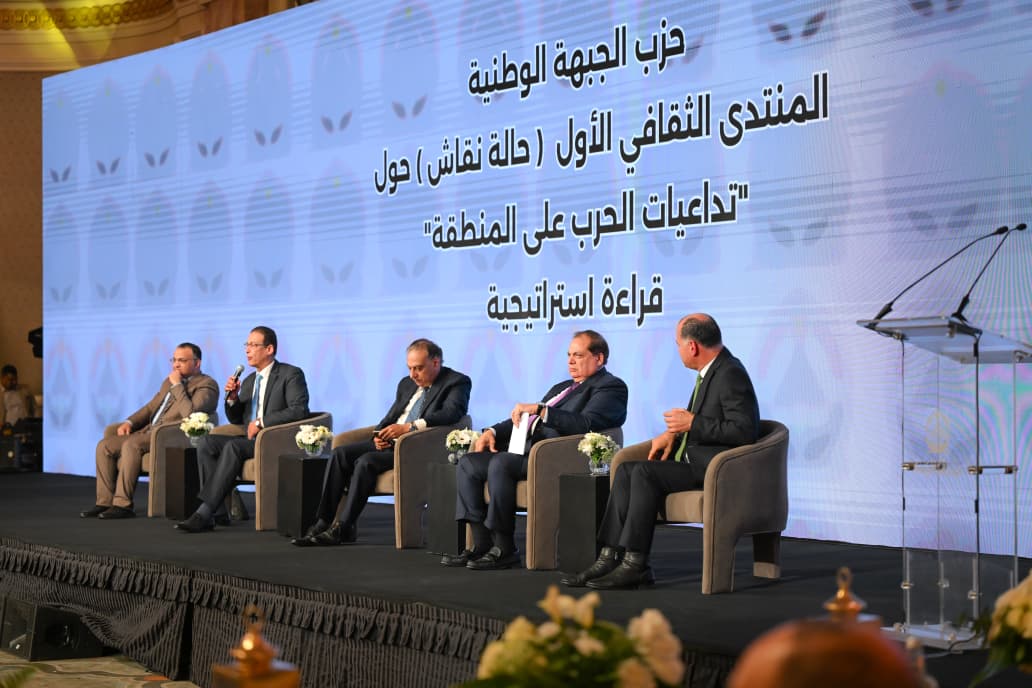
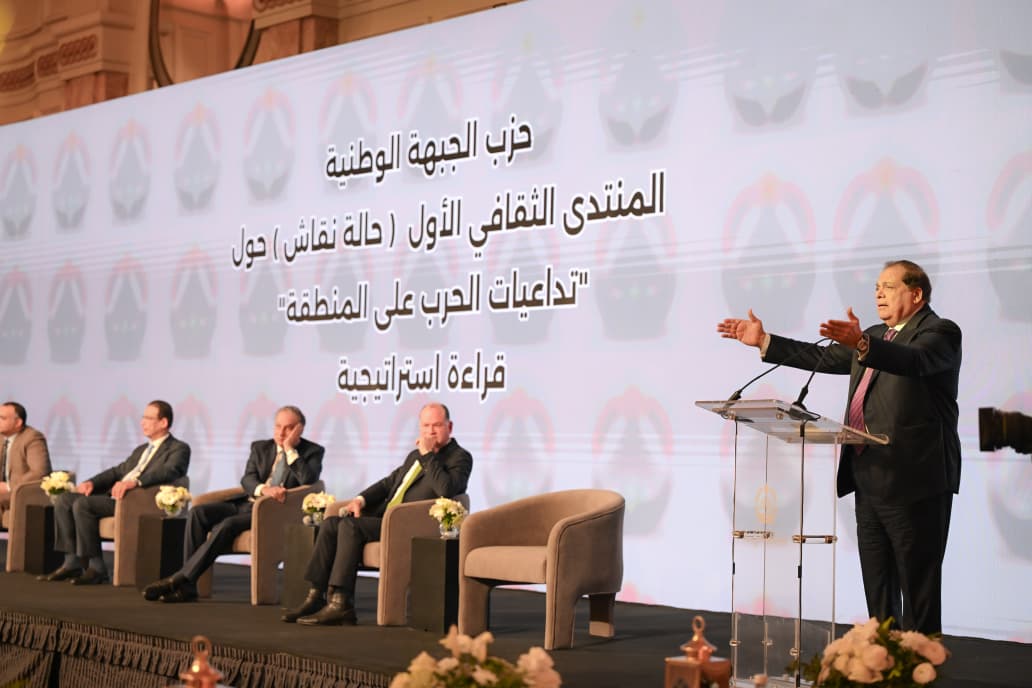
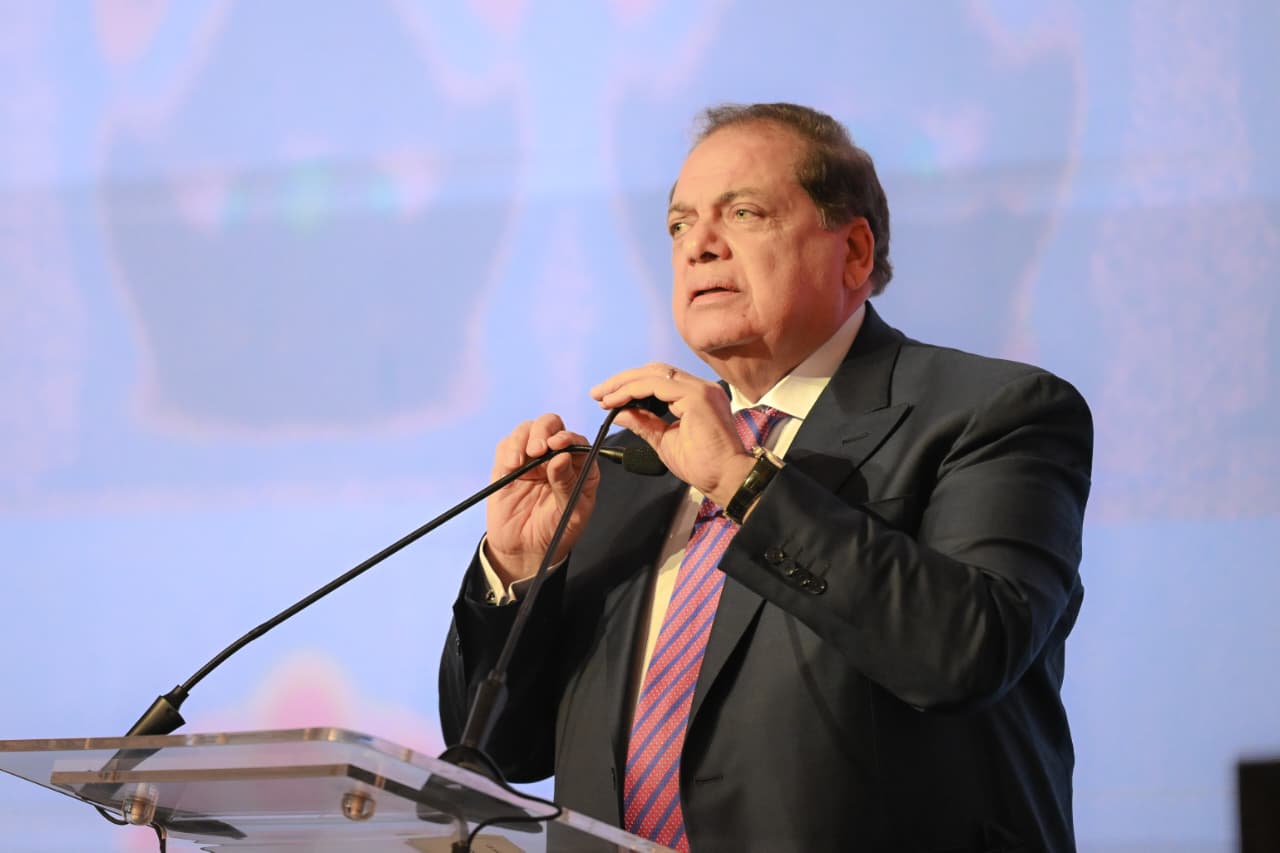
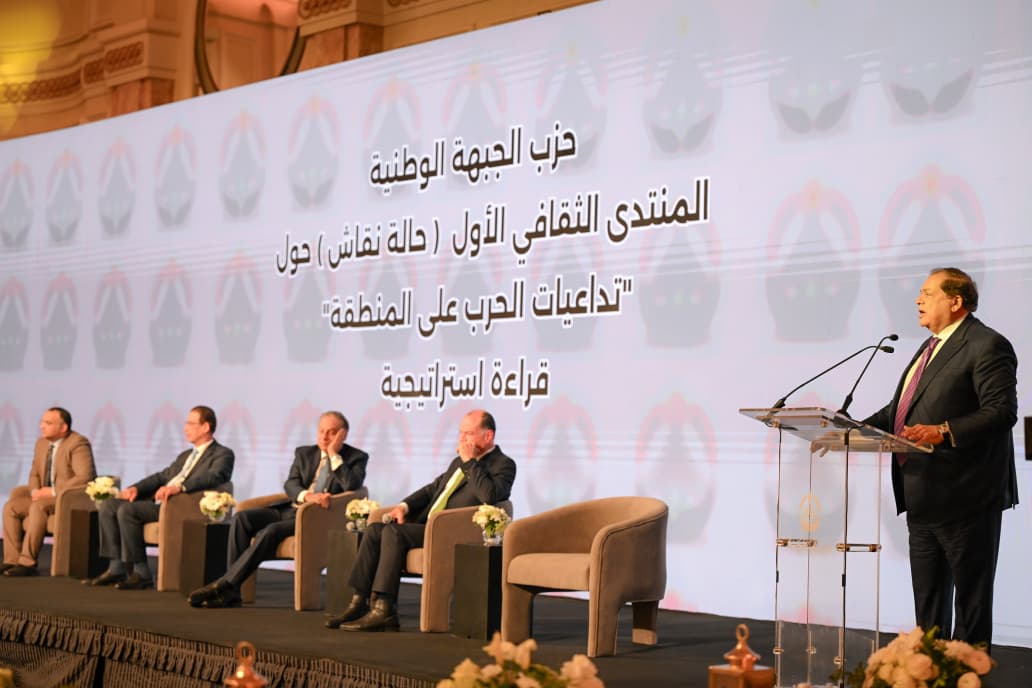
MP Mohamed Abou El-Enein, Member of the House of Representatives and Deputy Chairman of the National Front Party, took part in the Party’s first cultural forum, held to discuss the repercussions of wars and regional tensions on the region, in the presence of a number of ministers, party leaders, and political forces. In his remarks, he presented a comprehensive vision on how Egypt can deal with international and regional challenges and transform them into opportunities that support the national economy.
Abou El-Enein spoke about the economic consequences of the ongoing regional war, stressing that the world is going through a highly turbulent phase due to a series of successive crises that began with the COVID-19 pandemic, followed by the Russia-Ukraine war, and then the escalation in Gaza and the current regional tensions. He noted that this reality compels countries to adopt new strategies to respond to these developments.
He explained that Egypt has succeeded in managing these crises thanks to a wise and balanced political leadership, pointing out that Egyptian policies have gained international appreciation in many fields, particularly in traditional and renewable energy sectors, cybersecurity, and modern technology, in addition to the state’s ability to preserve stability amid a turbulent regional environment.
The Deputy Chairman of the National Front Party affirmed that Egypt represents the “balancing point” of the region, stressing their full support for the Egyptian state and its vision in confronting challenges and regional instability. He emphasized that the current stage requires unconventional thinking and innovative strategies to maximize benefit from regional and international circumstances.
Abou El-Enein pointed out that the crises witnessed globally are often imported problems coming from abroad and recurring every few years, starting with the COVID-19 crisis, passing through the Russia-Ukraine war, then developments in Gaza, and reaching the current regional tensions. He added that some regional forces speak of what they describe as an “eternal war,” which further complicates the regional landscape.
He stressed that these developments impose on Egypt the need to develop a comprehensive and new national strategic plan capable of dealing with the repercussions of war and transforming them into opportunities for economic development. He noted that all economic calculations in the Gulf region will change after this war, which requires early preparedness to benefit from the upcoming transformations.
Abou El-Enein explained that the world is currently moving toward establishing specialized industrial hubs and strengthening advanced industries, alongside growing focus on both traditional and renewable energy. He noted that this stage represents an important opportunity for Egypt to benefit from its strategic geographic location and its human and economic capabilities.
He added that boosting local production is the main step toward strengthening Egypt’s export capacity, explaining that exports begin with production, and production begins with investment—something that requires providing a supportive environment for industrial investment and encouraging the establishment of specialized industrial projects capable of competing in global markets.
He also called for enhancing cooperation with major global shipping companies, in a way that helps benefit from international expertise and employ Egyptian competencies, while supporting global supply chains and strengthening Egypt’s role as a logistics and industrial hub in the region.
Abou El-Enein stressed the importance of developing an integrated national marketing plan to promote Egyptian industries in international markets, in addition to launching incentive programs and innovative initiatives to maximize the added value of local resources, contributing to strengthening the national economy and reducing reliance on imports.
He pointed out that fully localizing industries—from raw materials to the final product—represents one of the most important pillars the state must rely on in the coming phase, due to its role in enhancing self-sufficiency and increasing the competitiveness of Egyptian industry.
He explained that creating innovative marketing initiatives for Egyptian industries will play a major role in opening new markets for national products, supporting the Egyptian economy, and reducing the negative impacts resulting from global crises and wars.
In concluding his remarks, Abou El-Enein expressed hope that regional conflicts would come to an end as soon as possible, stressing that President Abdel Fattah El-Sisi’s message has been clear in all situations: the highest priority always remains the Egyptian people and the protection of their interests.
He affirmed that parties and national forces stand behind the political leadership to support the development process and work to seize available opportunities at both the local and international levels, in a way that strengthens Egypt’s regional standing and fulfills the aspirations of the Egyptian people for a more stable and prosperous future.