Abou El-Enein at the Opening of the World Entrepreneurship Festival 2026:
- 60% of Africa’s population is young. Our most valuable resources are not beneath the ground, but in the minds of our children.
- We aspire to transform Egypt into a regional hub for production and innovation. Empowering young people is the pathway to shaping the future.
- Artificial intelligence is not a source of fear; it is an opportunity to build a more productive future.
- A successful state does not replace the investor; it paves the way for investment.
- Women’s empowerment is a strategic investment and a necessity for building a prosperous society.
- Where does Africa stand in the United Nations and the Security Council? Where is its right to veto power?
- No to displacement. We will not accept a solution to the Palestinian cause on the territory of any other Arab country.
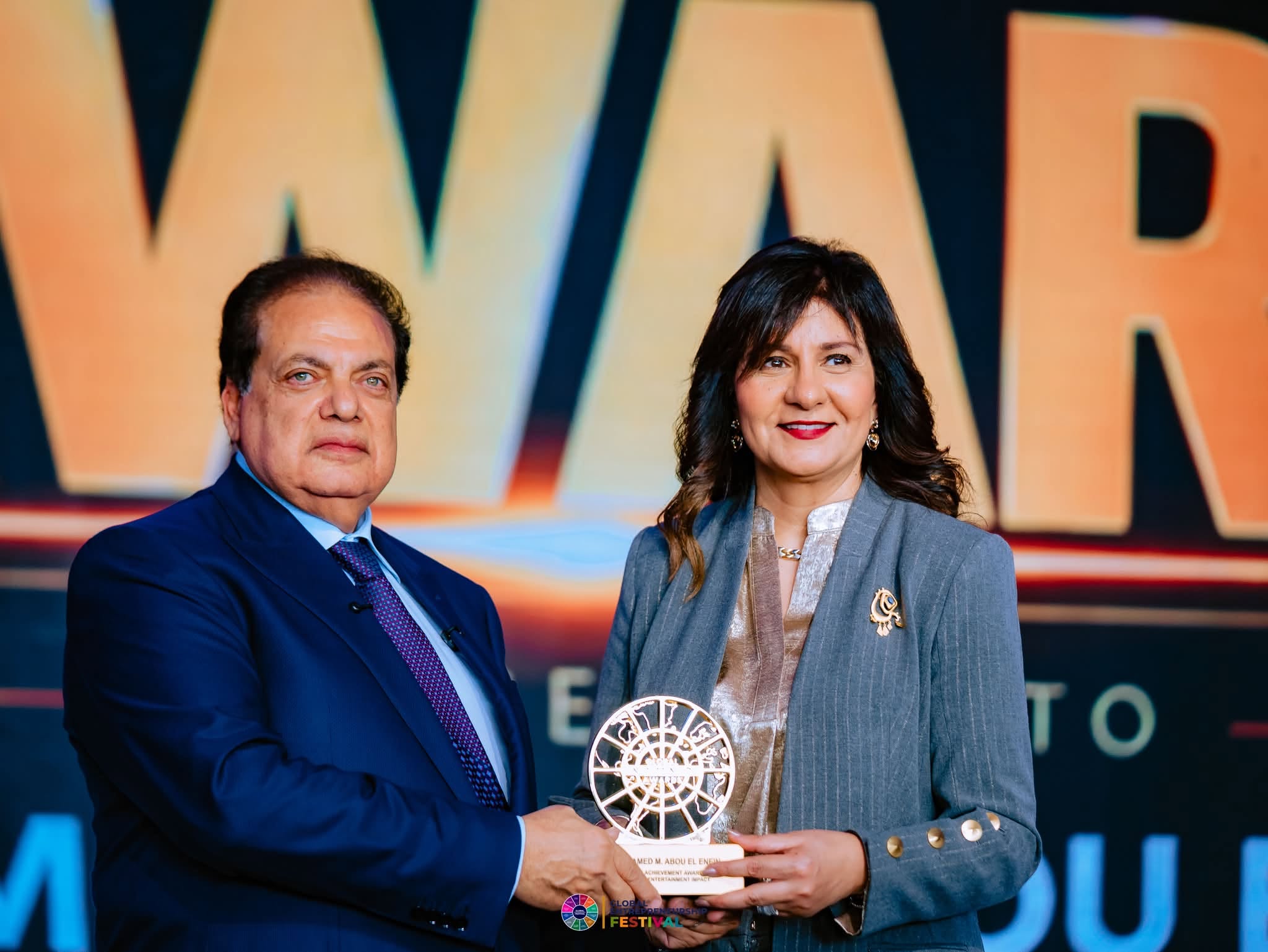
The World Entrepreneurship Festival honoured MP Mohamed Abou El-Enein, industrialist, politician, and Founder and Chairman of Cleopatra Group, and President of the Parliamentary Body of the National Front Party in the House of Representatives, during the opening of its third edition. Ambassador Nabila Makram presented the award to Abou El-Enein on stage, in the presence of entrepreneurs and investors from several countries.
-
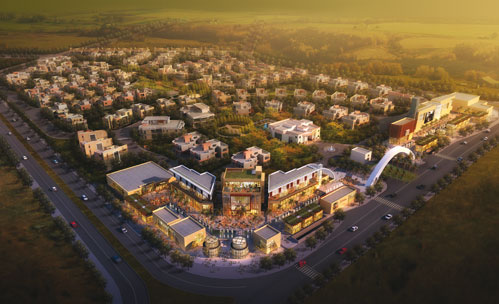
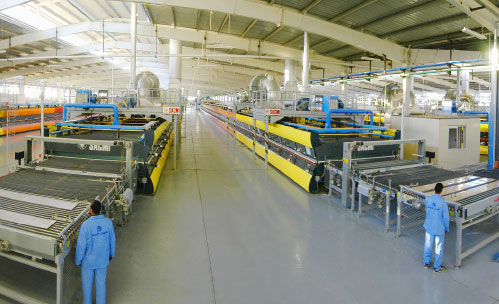
The honour recognises a distinguished career spanning both industry and parliamentary service. Abou El-Enein founded Cleopatra Group, which began its journey in Egypt’s ceramics industry before expanding its production and exports to more than 100 countries.
On the political front, he served as Deputy Speaker of the House of Representatives from 2021 to 2026. He also served as President of the Parliamentary Assembly of the Union for the Mediterranean (PA-UfM) and previously headed the Parliamentary Assembly of the Mediterranean (PAM).
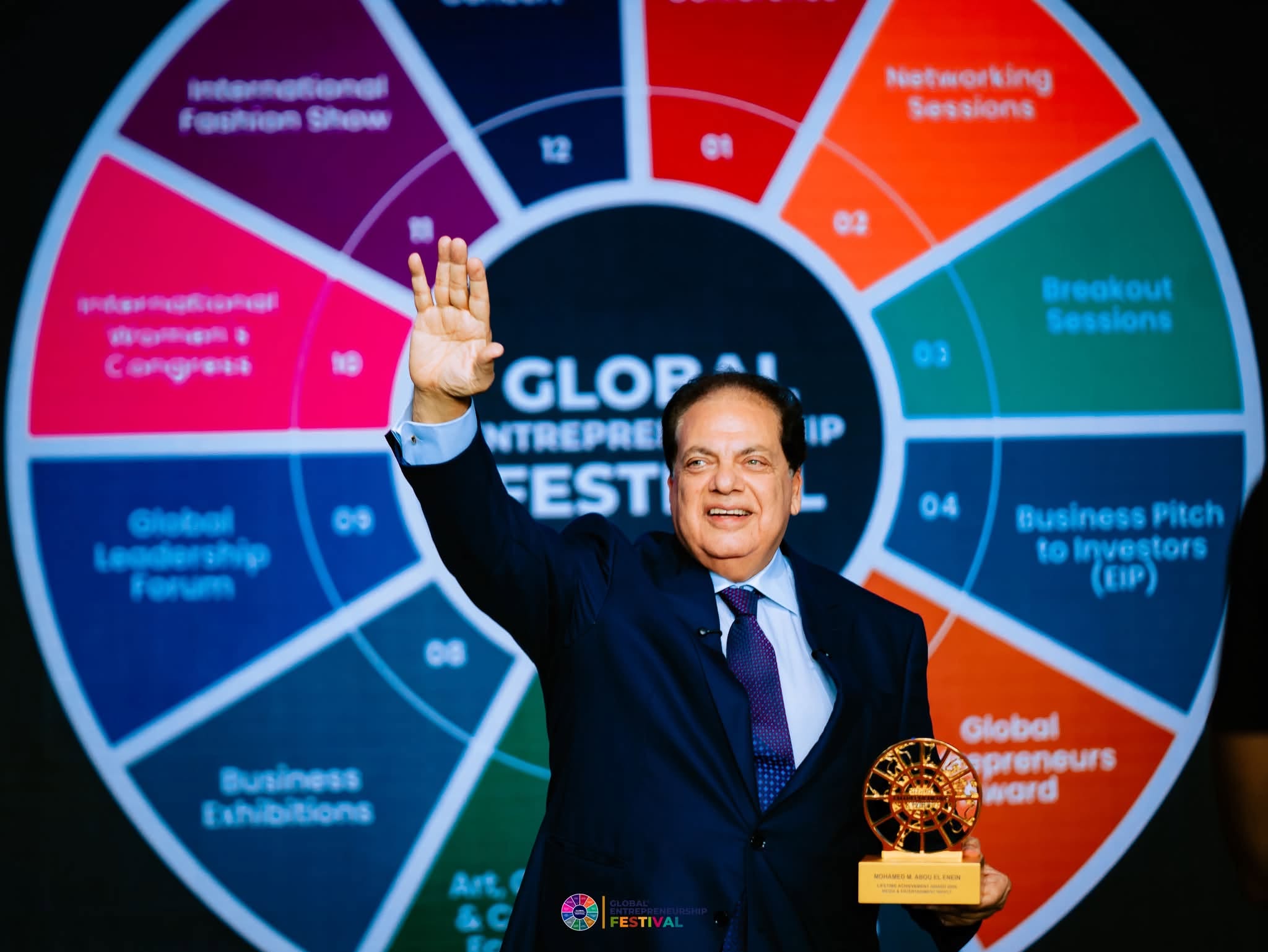
In his speech, MP Mohamed Abou El-Enein stressed that the world is witnessing a technological revolution that is reshaping the global economic and political landscape. He underscored the need to move beyond merely using technology towards owning it and actively participating in its development and production, so that Arab and African countries do not remain merely markets for other countries’ products, but become partners in generating and exporting knowledge and technology.
Abou El-Enein noted that the world is undergoing an unprecedented historic transformation, marked by shifting economic power balances, an accelerating technological revolution, and the growing interconnection of challenges related to security, energy, climate change, and water. He explained that the strength of nations is no longer measured solely by the resources they possess, but also by their ability to unleash the potential of their people, transform knowledge into production, and turn innovation into added value.
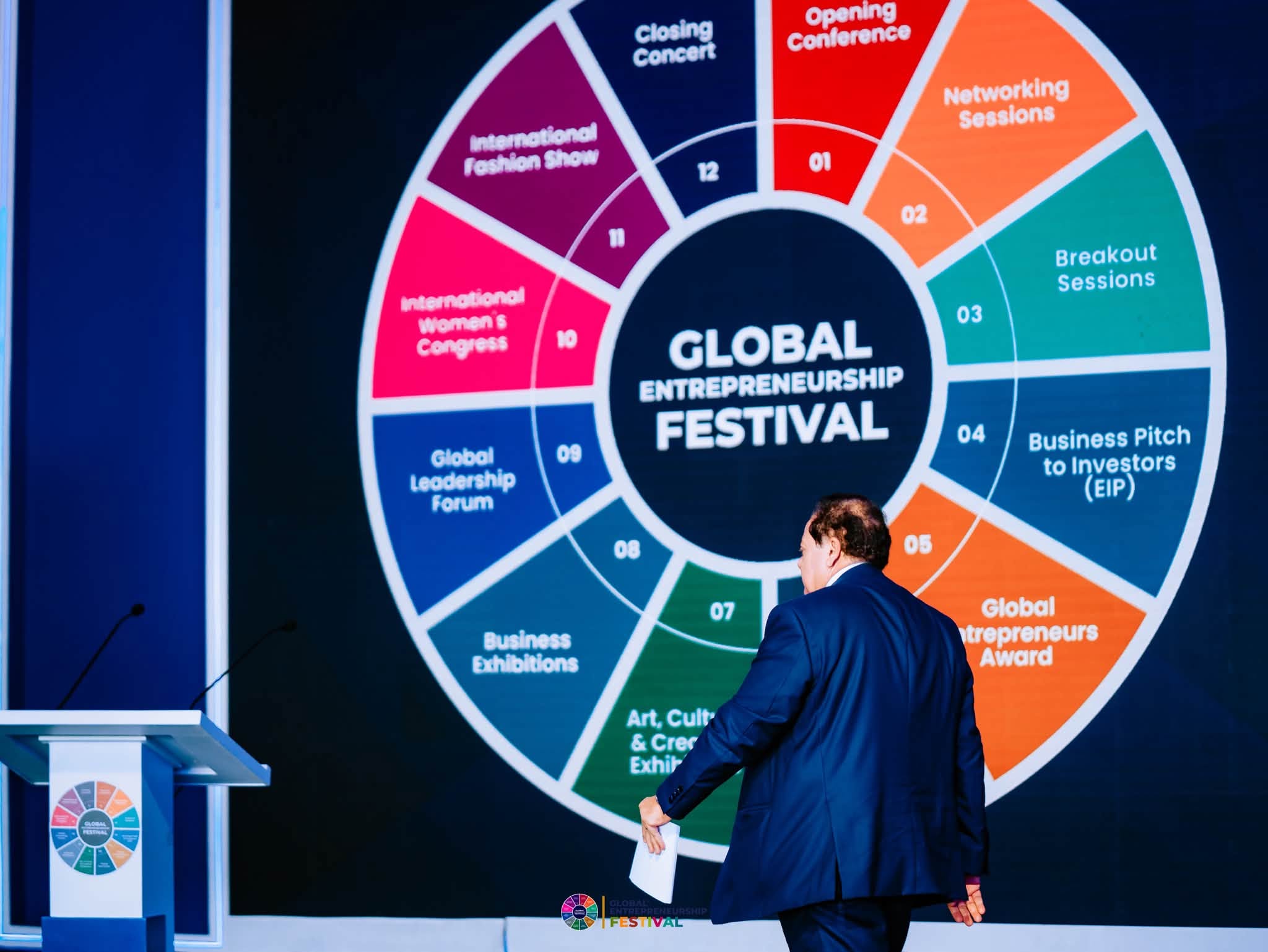
He added that entrepreneurship is not merely about establishing a company or launching a business venture; rather, it is a philosophy for building the economy and a culture of shaping the future. It is based on moving from waiting for opportunities to creating them, and from consuming what others produce to actively participating in the creation of knowledge and technology.
The President of the Parliamentary Body of the National Front Party stressed that building a strong entrepreneurial economy is a shared responsibility, requiring the complementary efforts of the state, the private sector, universities, research centres, and investors.
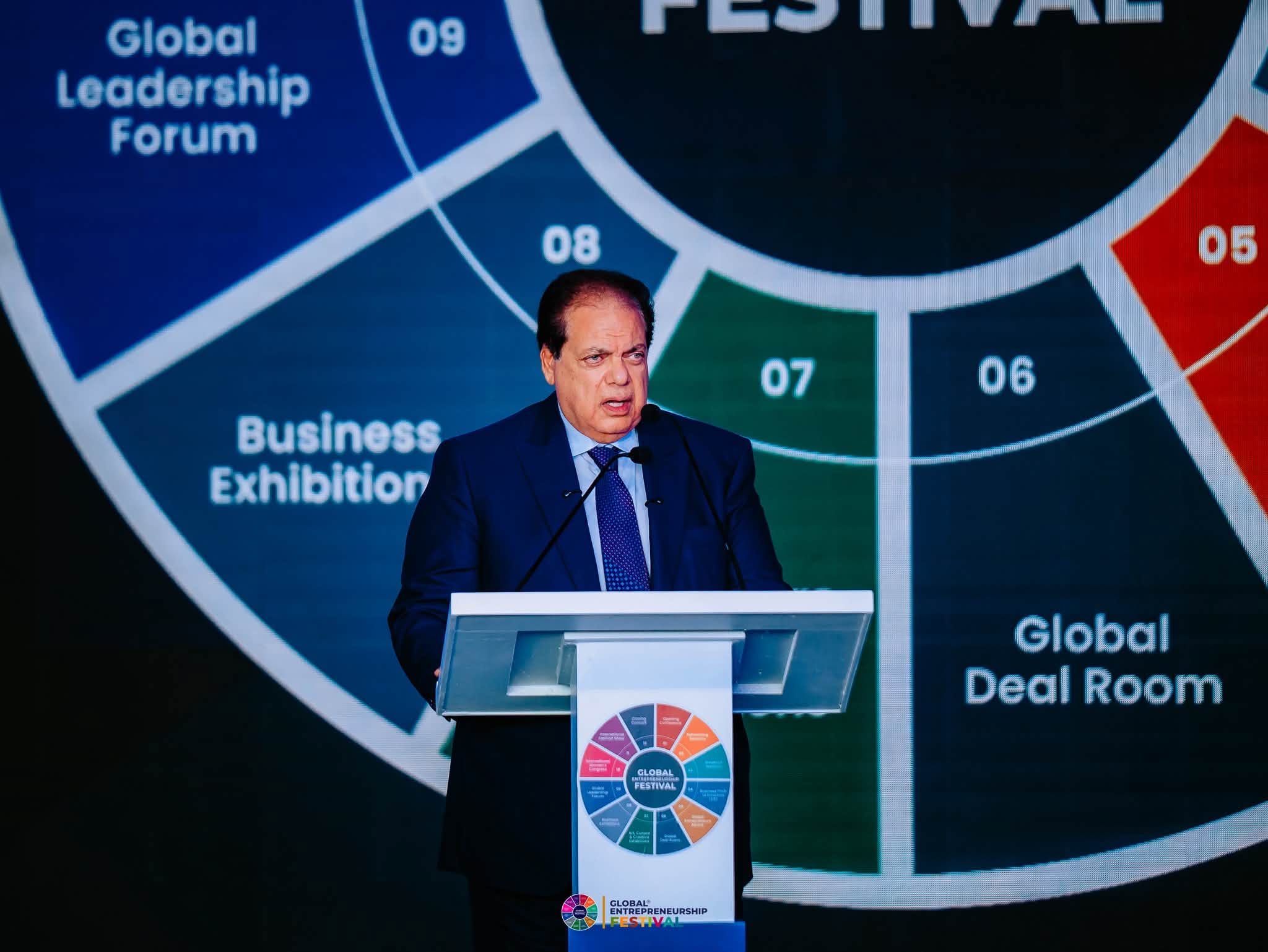
He explained that the state’s role is to build confidence, improve education, modernise legislation, streamline procedures, and ensure equal opportunities, while the private sector is a key partner in driving growth through investment, innovation, job creation, and opening up new markets.
He stressed the importance of establishing genuine partnerships that align government policies with private-sector incentives, connect universities with the needs of industry, and translate scientific research findings into products, services, and investment opportunities.
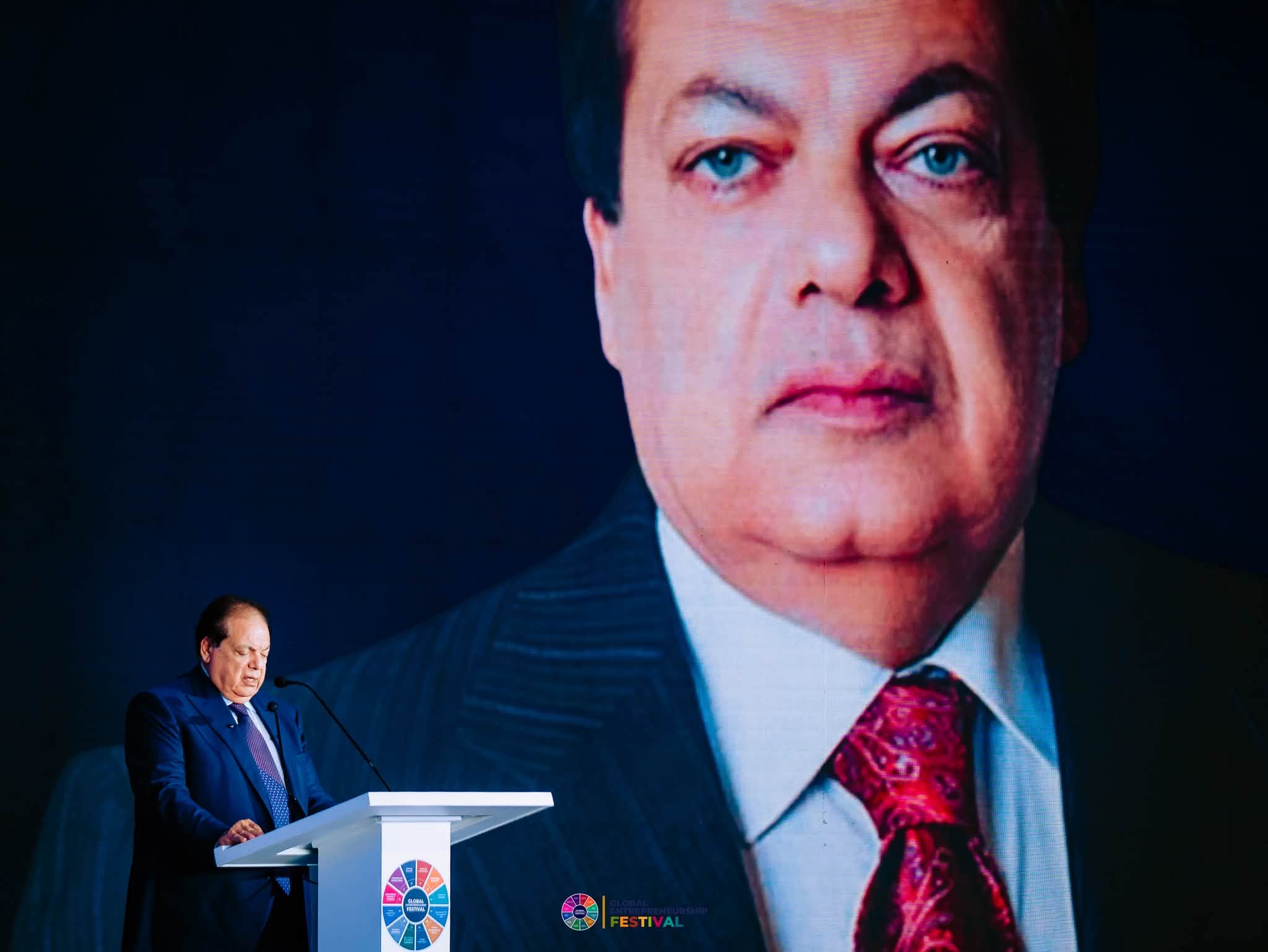
Abou El-Enein affirmed that Egypt possesses strategic, human, geographic, and industrial assets that qualify it to become a regional hub for innovation and production, as well as a platform for generating knowledge and technology. He pointed to the progress the country has witnessed in recent years in developing its infrastructure, establishing new cities, and advancing education, healthcare, transportation networks, energy, and telecommunications.
He explained that the value of infrastructure lies not merely in its construction, but in the opportunities it creates for production, investment, employment, and innovation. He noted that the vision for the Egyptian economy is centred on maximising added value, localising industries and technology, boosting exports, strengthening the role of the private sector, and opening up broader horizons for young people.
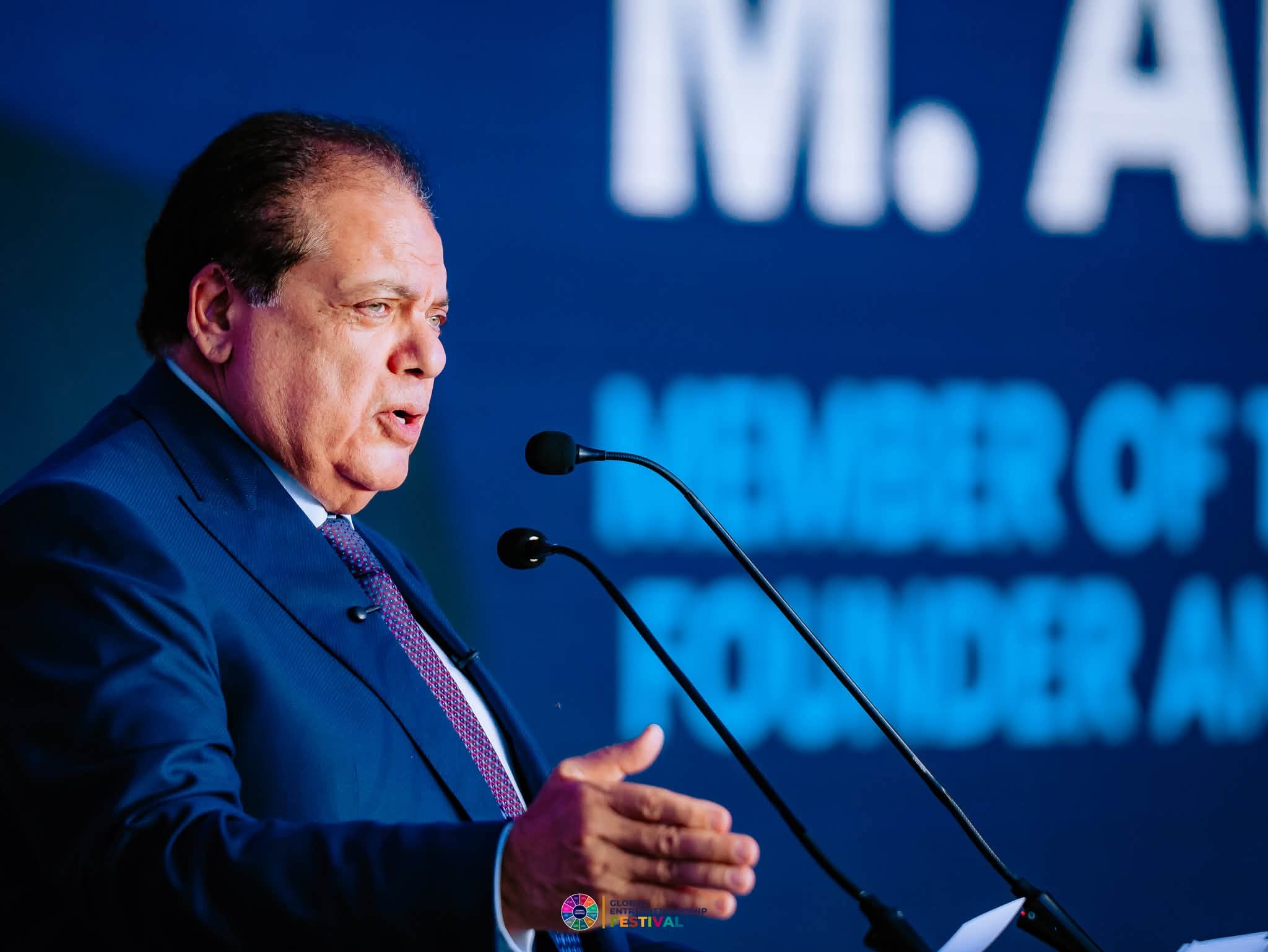
Abou El-Enein highlighted the attention that the political leadership devotes to human capital development and the advancement of the education system. He noted that the number of universities in Egypt has reached 128, offering opportunities for education, experience-building, and access to academic resources and international expertise.
He called on young Africans to pursue their education in Egypt, stressing that Egyptian universities now offer valuable opportunities to develop knowledge and expertise and equip students with the skills needed to engage with modern technologies.
Abou El-Enein addressed the rapid pace of technological transformation, noting that artificial intelligence, financial technology (FinTech), clean energy, digital technologies, and the Fourth Industrial Revolution are no longer merely technological developments, but have become key forces reshaping the global economic and political landscape.
He stressed the need to own and develop technology, and to leverage available technologies to create new innovations that Arab and African countries can own, rather than remain mere users of technologies developed by others.
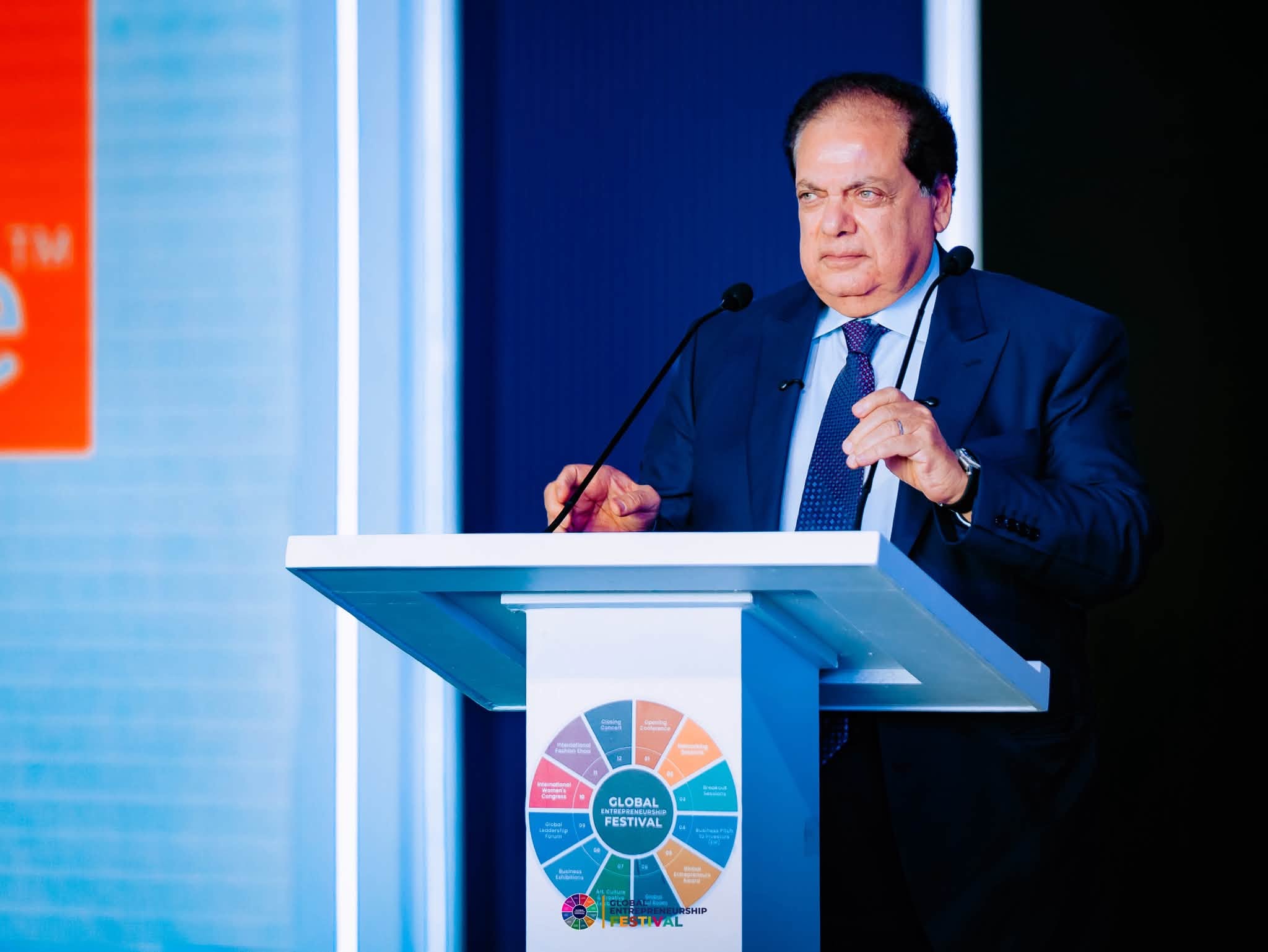
He explained that the current technological revolution offers the region a historic opportunity, as knowledge, creative minds, and the ability to innovate have become the true sources of wealth.
Abou El-Enein stressed that the African continent possesses an enormous human wealth, with young people accounting for approximately 60% of its population. He noted that these human resources need to be equipped with the necessary skills, empowered, and invested in to transform their potential into a productive and competitive force.
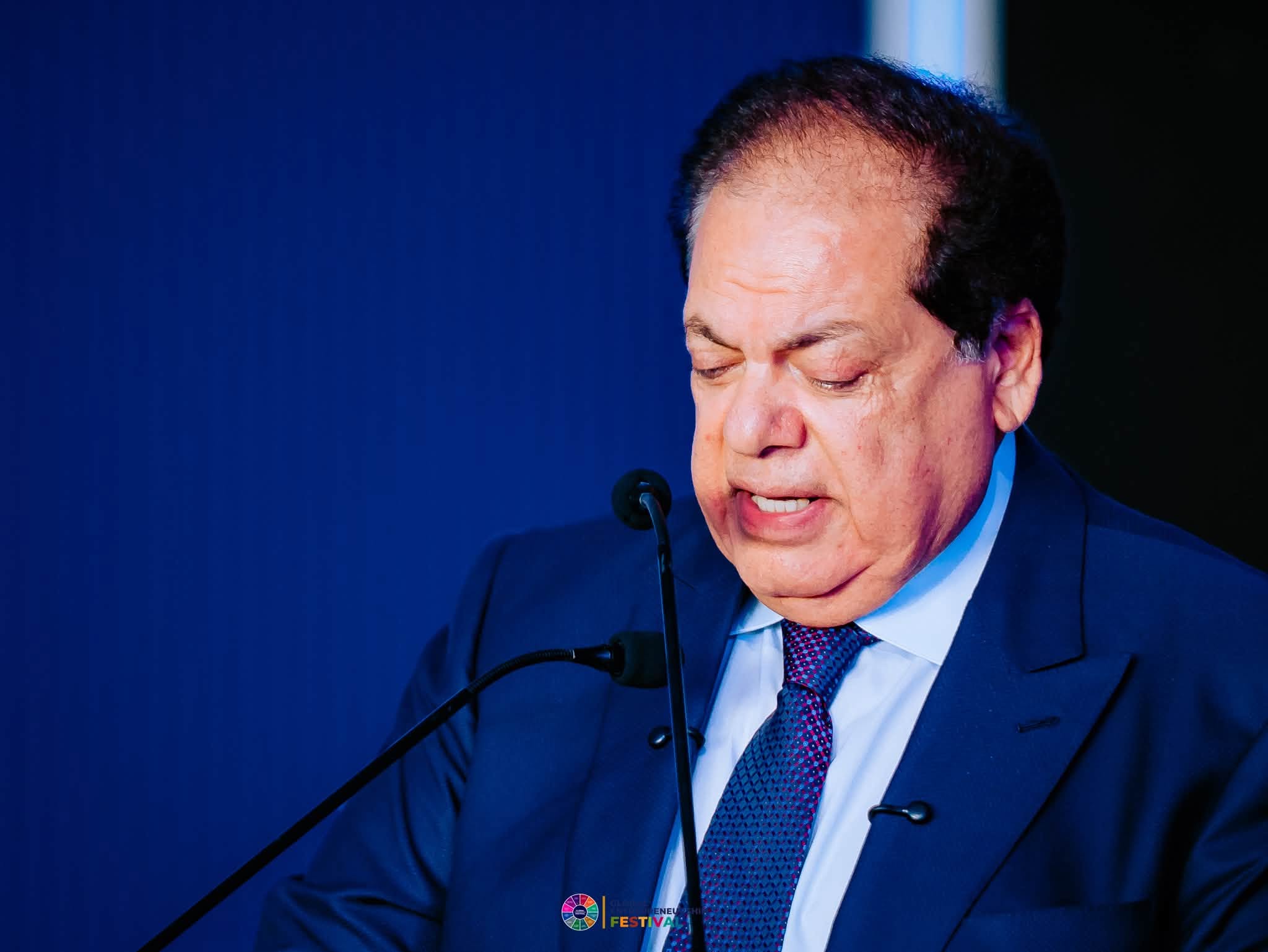
He added that the greatest and most valuable resources a country possesses are not what lies beneath the ground, but what resides in the minds of its people. He stressed that investing in human capital is the path to moving from consuming technology to participating in its development, and from being markets for other countries’ products to becoming producers and exporters.
Abou El-Enein noted that addressing the challenges and opportunities of artificial intelligence requires advancing education, developing young people’s digital skills, strengthening technological infrastructure, and establishing flexible legislation that strikes a balance between fostering innovation and protecting society.
He also underscored the importance of forging stronger links between universities and factories, and between scientific research and market needs. Universities, he explained, should not limit their role to producing qualified graduates; they should also serve as centres for knowledge creation, incubators for ideas, and platforms for transforming the research of students and academics into competitive products and businesses.
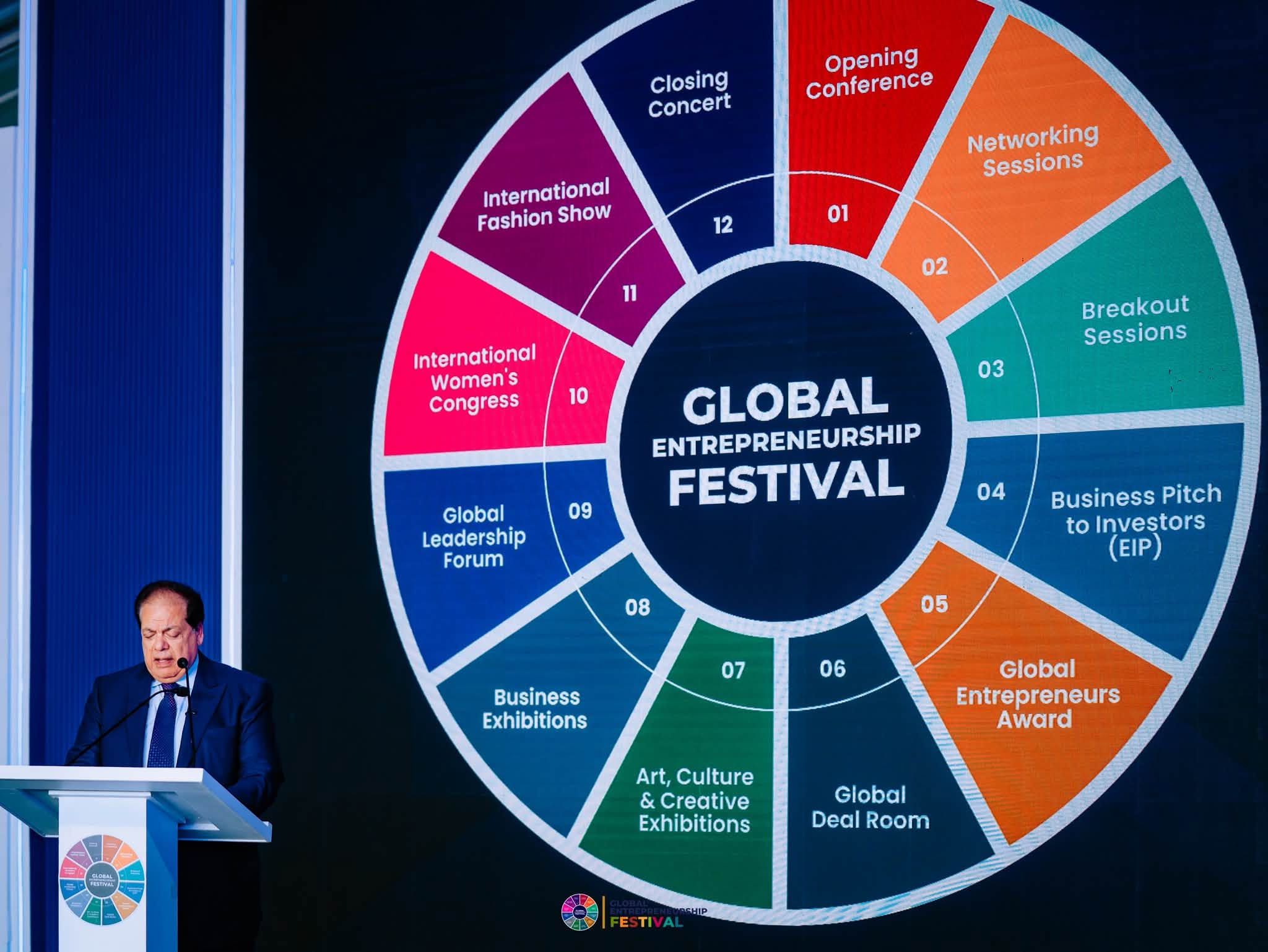
Abou El-Enein addressed a message to young people, urging them to pursue lifelong learning rather than rely solely on academic qualifications, and to embrace ambition and the courage to test new ideas and take calculated risks.
He said that a true entrepreneur is not someone who never falls, but someone who has the courage to rise again, the ability to learn from experience, and the determination to keep moving forward.
He stressed that the success of entrepreneurs depends not on ambition alone, but on an integrated ecosystem that begins with education, training, mentorship, and business incubators, and extends to venture capital, accessible financing, credit guarantees, and ultimately access to global markets.
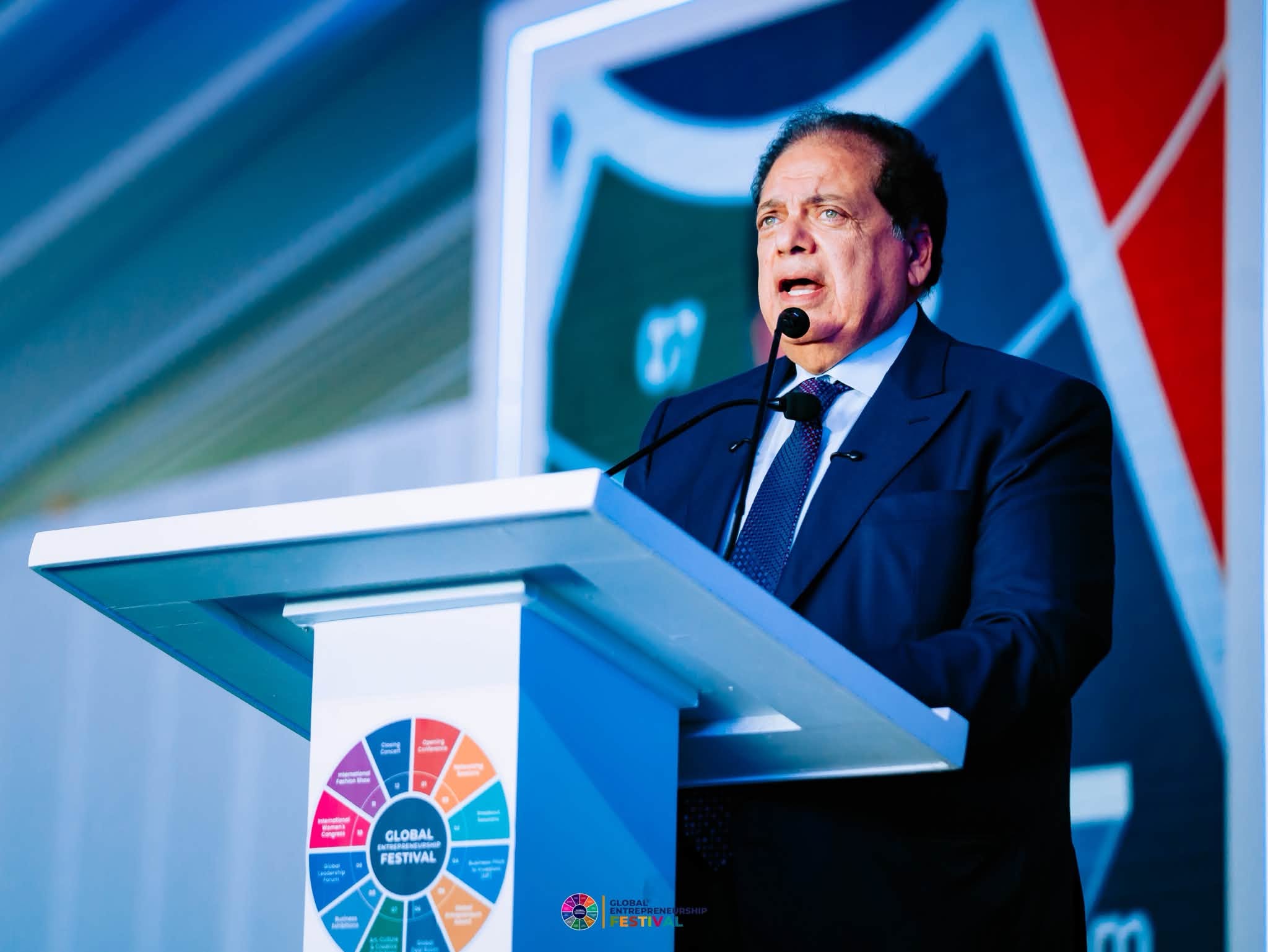
He also called for linking small and medium-sized enterprises with major companies and integrating them into local, regional, and global supply chains.
Abou El-Enein affirmed that women are an essential force in the future of entrepreneurship, pointing to inspiring examples of women in Africa and the Middle East who have succeeded in establishing start-ups, developing technology, creating jobs, and offering innovative solutions to the challenges facing their communities.
He explained that women’s empowerment is not merely a social issue, but a strategic investment and a necessity for building a prosperous and equitable society. He stressed the importance of ensuring that women have equal opportunities to fulfil their potential and take part in shaping the future.
Turning to broader regional issues, Abou El-Enein linked economic development to political stability, affirming that development cannot be achieved amid conflicts and wars. He stressed that the Middle East and Africa need a genuine commitment to building peace based on justice, respect for international law and state sovereignty, and the empowerment of peoples to exercise their legitimate rights.
He reaffirmed the Palestinian people’s right to establish an independent state along the 4 June 1967 borders, with East Jerusalem as its capital. He also condemned the continued suffering of Palestinians as a result of displacement and the deprivation of shelter, food, and medicine.
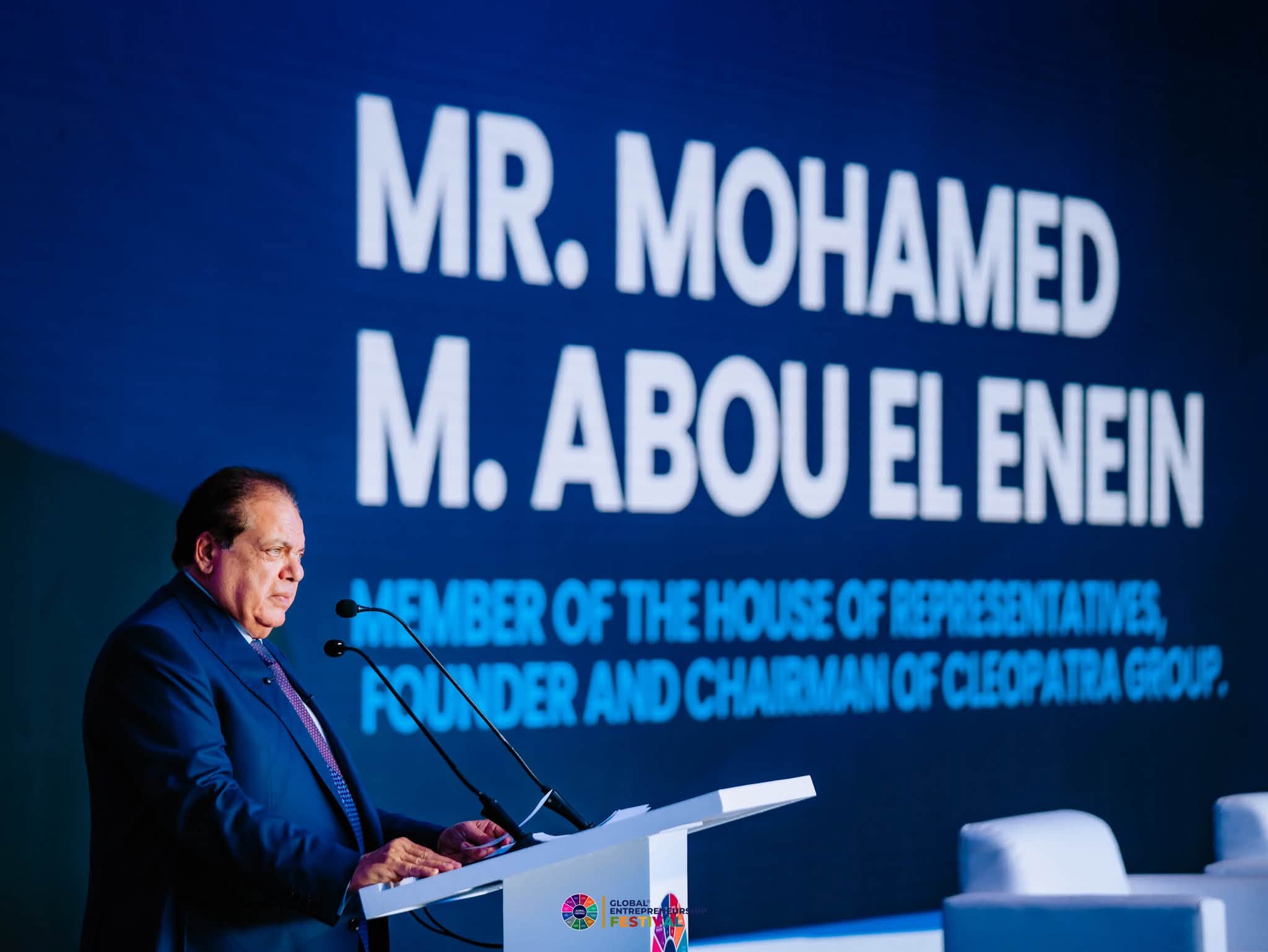
Abou El-Enein referred to his participation in meetings at the United Nations just days earlier, explaining that he had heard growing calls for the Palestinian people’s right to establish their own state, alongside African demands for stronger representation within international institutions, particularly the United Nations and the Security Council, and for a fair share in international decision-making.
He criticised the use of the veto to block resolutions concerning the Palestinian cause, arguing that this raises serious questions about the fairness of the international system and the mechanisms through which decisions are made.
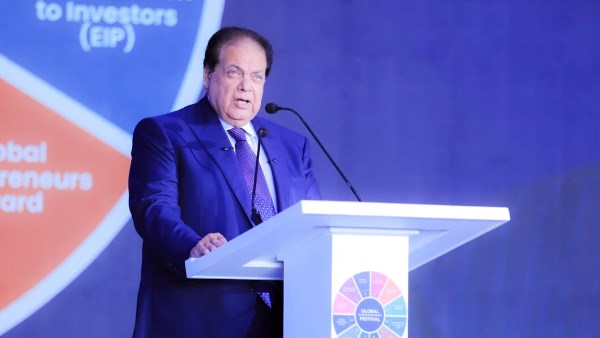
Abou El-Enein: Artificial Intelligence Is Not Something to Fear About the Future; It Is an Opportunity to Build a More Productive Economy
Abou El-Enein praised President Abdel Fattah El-Sisi’s firm rejection of the displacement of Palestinians, affirming that Egypt has remained steadfast in its principled position on the Palestinian cause and rejected any attempt to liquidate it at the expense of Egyptian or Arab territories.
He paid tribute to President El-Sisi, noting that Egypt’s position is rooted in longstanding historical and political principles concerning the Palestinian cause and the legitimate rights of the Palestinian people.
Abou El-Enein concluded his speech by affirming that economic development and political prosperity are two sides of the same coin. He stressed that creating jobs, expanding productive activities, and providing young people with genuine opportunities for the future all contribute to building a stronger economy and a more stable and secure society.
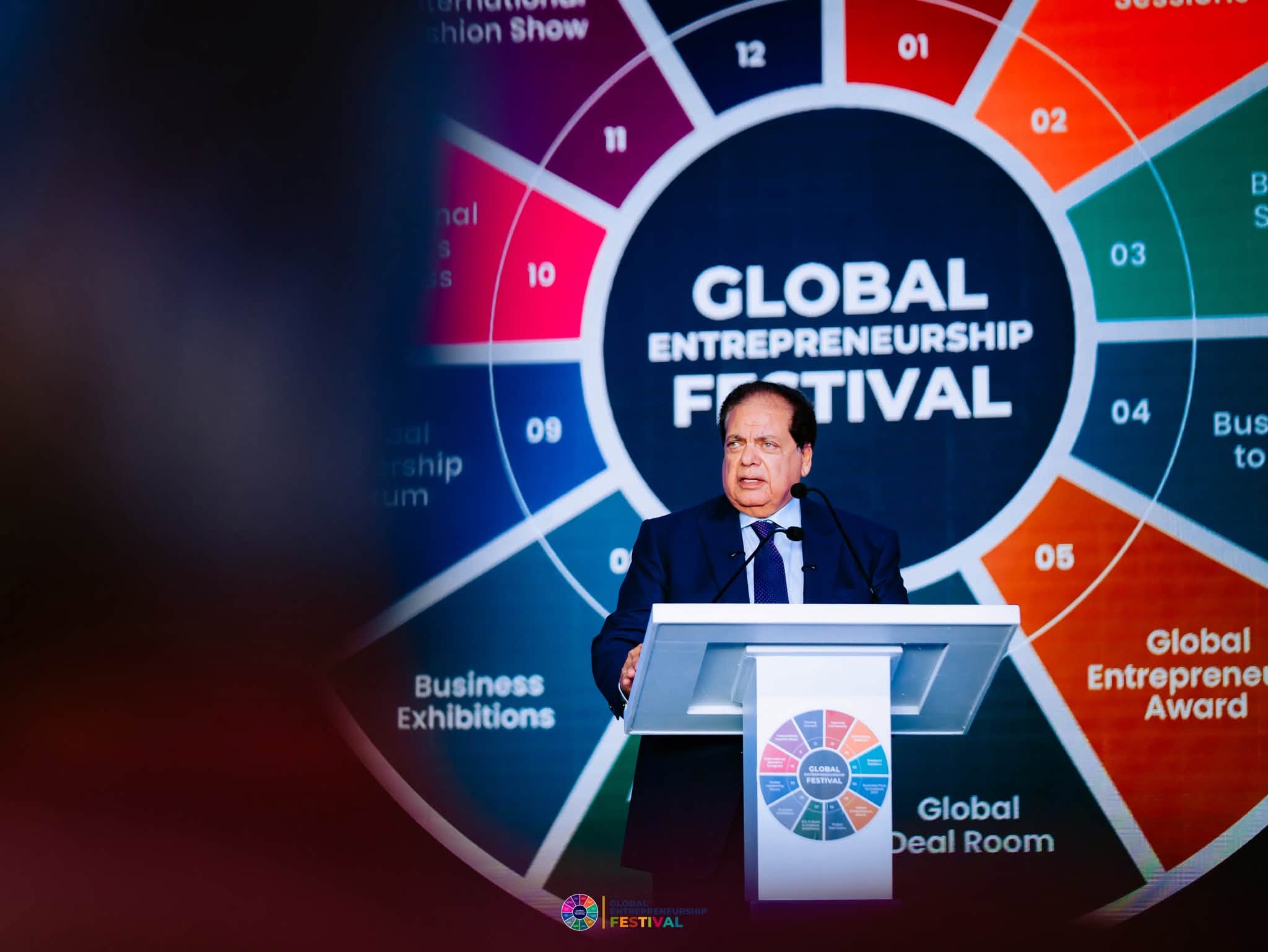
He called for the festival’s activities to deliver tangible outcomes through launching initiatives, concluding deals, forging partnerships, turning ideas into viable business ventures, and investing in the preparation of a new generation equipped with technological knowledge and the ability to shape the future.
He stressed that the future of nations is shaped not by resources alone, but by minds that think, the determination to act, and leaders who pave the way for innovators. He called for the festival to serve as a springboard for a new phase in which innovation becomes a driver of growth, entrepreneurship a pathway to human empowerment, and partnership the foundation of prosperity.