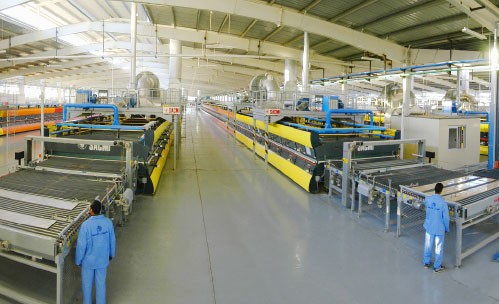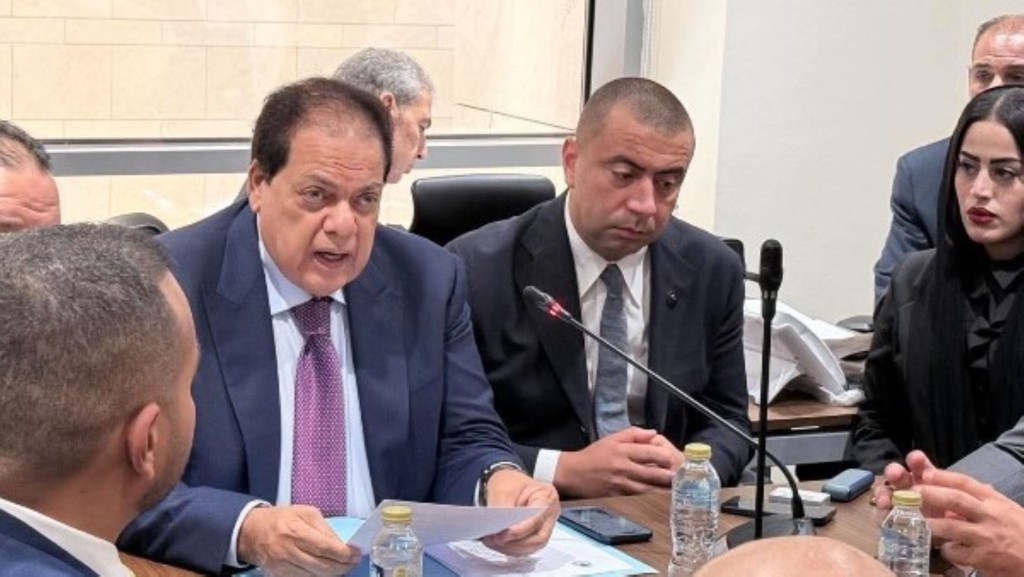
MP Mohamed Abou El-Enein, Head of the Parliamentary Body of the National Front Party in the House of Representatives, said that the coming period will bring significant challenges in terms of industrial competitiveness, stressing the need to closely monitor the rapid developments taking place across the sector and to work on advancing Egypt’s industrial and production system.
He made the remarks following the announcement of the formation of the Bureau of the House of Representatives’ Industry Committee, chaired by MP Ahmed Bahaa Shalaby.
Advancing Industry and Drawing on Specialized Expertise
Abou El-Enein said that the state is focusing on production, employment and industry, stressing that Egypt’s industrial system requires further development to keep pace with the rapid changes and developments taking place across various industrial sectors.
He called for drawing on specialized expertise to lead technology-driven industries by establishing specialized working groups for each vital industry. Such groups, he said, would help develop clear visions and plans to advance these industries and strengthen their competitiveness.
Abou El-Enein said that the Industry Committee must develop an action plan that keeps pace with the changes affecting a number of sectors, including iron and steel, automotive and engineering industries.
He also stressed the importance of strengthening the Committee’s recommendations and urging the government to implement them in a manner that supports efforts to develop the industrial sector and enhance production efficiency.
Formation of the Industry Committee Bureau
The House of Representatives’ Industry Committee has completed the election of its Bureau by acclamation and consensus, with MP Ahmed Bahaa Shalaby elected as Chair.
Dr. Mohamed Sayed Ahmed and MP Samir Sayed Abdel Maqsoud were elected as Deputy Chairs, while MP Mostafa Abdel Karim El-Behy was elected Secretary of the Committee.
MP Ahmed Bahaa Shalaby said that the Committee’s action plan would be developed through the preparation of a vision to be agreed upon by its members. He noted that the Committee would examine the legislative impact of certain laws, focus on supporting and giving preference to Egyptian-made products, and address oversight-related issues.